Reduce Mobile Radiation: Your Complete Protection Guide
Our smartphones have become indispensable tools for communication, work, and entertainment. However, concerns about radiofrequency (RF) energy and electromagnetic exposure have prompted many users to seek ways to reduce mobile radiation from their devices. The good news is that implementing simple, practical strategies can significantly lower your exposure to RF energy without sacrificing connectivity.
Understanding Mobile Radiation and RF Energy
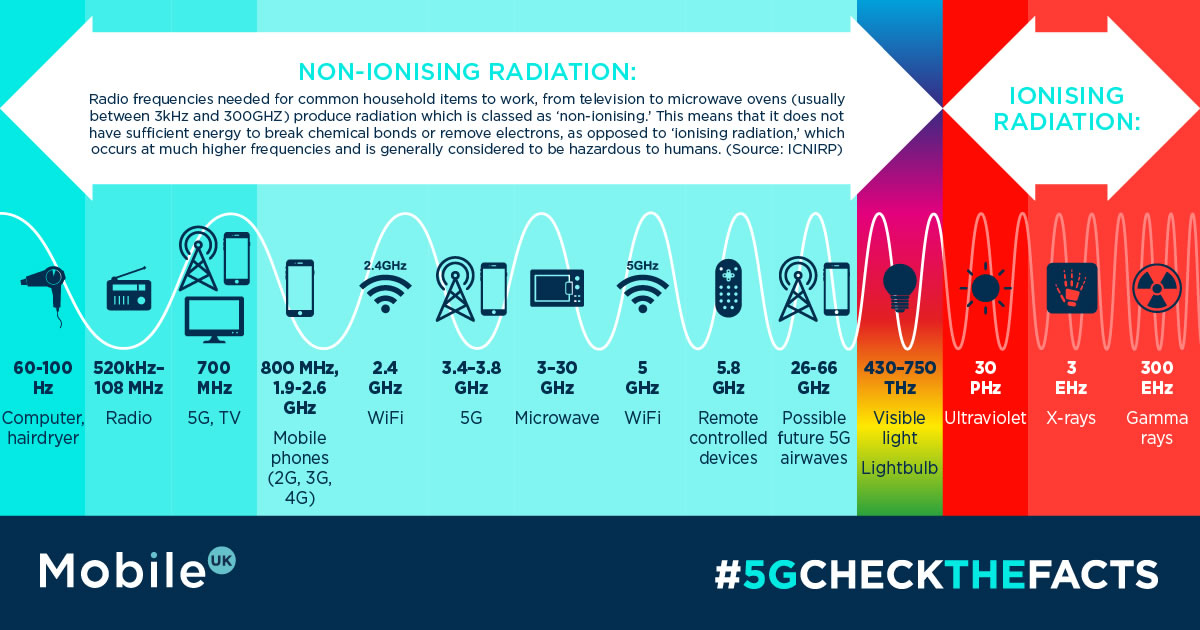
Cell phones emit radiofrequency energy to maintain connections with cell towers. The amount of RF energy your body absorbs depends on three key factors: distance from the device, duration of use, and signal strength. By managing these variables, you can effectively reduce mobile radiation exposure in your daily life.
7 Proven Methods to Reduce Mobile Radiation Exposure
1. Maximize Distance from Your Phone

The most effective way to reduce mobile radiation is increasing the distance between your device and your head or body. Even a few inches can substantially lower your RF energy absorption. Consider these practical applications:
- Carry your phone in a bag, backpack, or briefcase with the antenna facing away from your body
- Avoid keeping your phone in your pocket, bra, or pressed against your chest
- Place your phone on a table when not actively using it
- Keep your phone at least 3 feet away from your bed at night
2. Use Hands-Free Accessories and Speakerphone
One of the most effective wireless radiation protection methods is using hands-free solutions. A hands-free headset dramatically reduces RF energy reaching your head and brain by keeping the phone away from your ear. Wired headsets are particularly effective, especially hollow-tube designs that conduct sound without wires. Even Bluetooth wireless headsets can reduce radiofrequency EME exposure by several thousand times compared to holding the phone directly to your head.
3. Text Instead of Calling
Switching from voice calls to text messaging is a simple yet powerful way to reduce cell phone radiation exposure. When you text, your phone remains away from your head and body, minimizing direct RF energy absorption. This approach is especially beneficial for longer conversations where speakerphone isn't practical.
4. Choose Areas with Strong Signal
Your phone works harder and emits more RF energy when searching for weak signals. Phones in poor reception areas—such as elevators, basements, or moving vehicles—transmit at higher power levels to maintain connections. Whenever possible, make calls in locations with strong signal strength, indicated by multiple bars on your reception indicator.
5. Limit Call Duration
Reducing the time spent on voice calls directly decreases your overall RF energy exposure. Keep conversations brief, especially when not using hands-free accessories. This simple time-management approach complements distance and power reduction strategies for comprehensive wireless radiation protection.
6. Enable Airplane Mode When Not Needed
Phones only emit radiofrequency energy when actively searching for or receiving signals. Switching to airplane mode eliminates RF energy transmission entirely. Use this feature when you're sleeping, working on focused tasks, or don't need immediate connectivity.
7. Check Your Phone's SAR Level
Specific Absorption Rate (SAR) measures the amount of RF energy your body absorbs from a phone. While all phones sold in regulated markets meet safety standards, SAR levels vary between models. You can check your device's SAR rating on the FCC website (FCC.gov/cgb/sar) or the Environmental Working Group's database (EWG.org/cellphones). Selecting a lower-SAR phone provides an additional layer of cell phone radiation exposure reduction, though proper usage habits remain equally important.
Special Considerations for Children and Device Placement
Children face potentially higher risks from radiofrequency EME due to thinner skulls and developing brains. Encourage young users to text or use speakerphone and avoid sleeping with phones under pillows. Additionally, keep wireless routers at a distance from areas where people spend significant time, and reduce streaming or large file transfers while holding your phone near your body.
What About Protective Devices?
The market offers various protective products claiming to shield against RF energy, including shielded cases and antenna clips. However, many so-called protective devices provide minimal or no actual RF energy reduction. Focus instead on proven behavioral changes and distance management for reliable wireless radiation protection.
Key Takeaways for Reducing Mobile Radiation
- Distance is most effective: Keep your phone away from your head and body whenever possible
- Use hands-free solutions: Speakerphone and wired headsets substantially reduce RF energy absorption
- Text more, talk less: Messaging keeps radiation sources farther from your body
- Choose strong signal areas: Phones emit less RF energy with good reception
- Monitor SAR levels: Check your device's specific absorption rate when selecting phones
- Protect children: Encourage younger users to adopt safer usage habits early
- Use airplane mode strategically: Eliminate RF energy transmission when connectivity isn't needed
Frequently Asked Questions
What is SAR and how does it relate to reducing mobile radiation?
SAR (Specific Absorption Rate) measures how much radiofrequency energy your body absorbs from a phone, expressed in watts per kilogram. Lower SAR phones reduce mobile radiation exposure, though proper usage habits—like keeping distance and using speakerphone—remain the most effective protection methods regardless of SAR level.
Is speakerphone safe for reducing cell phone radiation exposure?
Yes, speakerphone is one of the most effective methods to reduce mobile radiation. By keeping your phone away from your head during calls, speakerphone dramatically reduces RF energy absorption compared to holding the phone directly to your ear.
How much distance do I need to reduce mobile radiation effectively?
Even a few inches of distance can substantially reduce mobile radiation exposure. The farther your phone is from your body, the lower your RF energy absorption. Keeping your phone on a table or in a bag rather than in your pocket makes a significant difference.
Are wired headsets better than Bluetooth for wireless radiation protection?
Wired headsets, particularly hollow-tube designs, are generally more effective for reducing mobile radiation than Bluetooth wireless headsets. However, both options substantially reduce RF energy reaching your head compared to holding the phone directly to your ear.
Can airplane mode completely eliminate radiofrequency EME from my phone?
Yes, enabling airplane mode disables your phone's transmitter, eliminating RF energy emission entirely. This is an effective strategy when you don't need connectivity, such as during sleep or focused work periods.
Does texting really reduce cell phone radiation exposure?
Yes, texting instead of calling reduces mobile radiation exposure because your phone remains away from your head and body. This makes messaging an excellent alternative to voice calls for reducing RF energy absorption.
What's the best way to carry my phone to reduce mobile radiation?
Carry your phone in a bag, backpack, or briefcase with the antenna (back of the phone) facing away from your body. Avoid keeping it in your pocket, bra, or pressed against your chest to minimize RF energy absorption.
Should I be concerned about cell phone radiation from cell towers?
While cell towers emit radiofrequency energy, maintaining distance from them reduces exposure. If towers are near your home or workplace, consider using EMF shielding materials or maintaining greater distance when possible, though personal phone usage habits have more direct impact on your radiation exposure.
Are protective cases and shields effective for reducing mobile radiation?
Many commercial protective devices claim RF energy reduction but provide minimal actual protection. Focus on proven methods like distance, hands-free accessories, and proper phone placement rather than relying on protective cases for effective wireless radiation protection.
How can I reduce mobile radiation exposure for my children?
Encourage children to text rather than call, use speakerphone, and avoid sleeping with phones under pillows. Children's developing brains and thinner skulls may make them more vulnerable to radiofrequency EME, making these precautions particularly important for young users.