Phone Buying Guide 2026: How to Choose Your Next Smartphone
The smartphone market in 2026 has evolved dramatically, with AI-first features, intelligent camera systems, and multi-day battery life becoming standard across all price points. Whether you're shopping for a new phone, considering an iPhone, exploring Android options, or hunting for budget phones, this comprehensive guide will help you make an informed decision based on your needs and budget.
Understanding Your Smartphone Needs
Before diving into specific models, it's essential to identify what matters most to you. Are you a casual user checking emails and social media? A creative professional needing powerful processing and camera capabilities? A student looking for affordability with modern features? Your use case determines which device category suits you best.
Key Technical Metrics to Consider
RAM and Processing Power
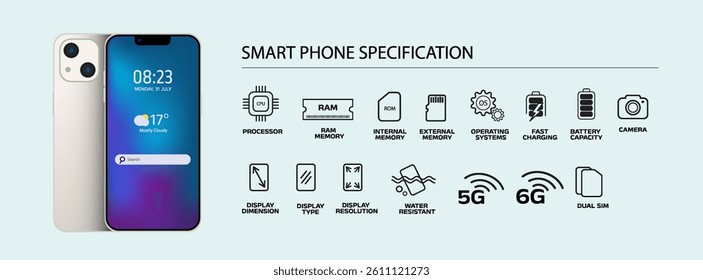
RAM directly impacts how smoothly your phone handles multitasking and demanding applications:
- 4GB RAM – Suitable for light use, basic apps, and web browsing
- 6-8GB RAM – Ideal for everyday use and multitasking
- 12-16GB RAM – Essential for power users, creatives, and productivity-focused professionals
AI Integration: The Game-Changer
Artificial intelligence has become the defining feature of 2026 smartphones. Leading devices now offer AI-powered tools that enhance photography, optimize battery life, and streamline daily tasks. The Google Pixel 10 Pro stands out with its Gemini AI integration, while flagship Android and iPhone models include comprehensive AI features across their ecosystems.
Display Technology
Modern smartphone displays offer varying technologies, each with distinct advantages:
- AMOLED displays deliver superior color accuracy and deep blacks
- 120Hz or ProMotion refresh rates provide smooth scrolling and gaming experiences
- High brightness (1000-2000 nits) ensures excellent visibility in direct sunlight
Camera Performance
Camera systems have become increasingly sophisticated. Look for phones featuring:
- Multiple rear lenses for versatility (ultra-wide, telephoto, macro)
- Advanced computational photography powered by AI
- High megapixel counts (50MP+) for detailed photos
- Optical zoom capabilities (up to 100x on flagship models)
- Improved night mode for low-light photography
Battery Life and Charging
Battery endurance varies significantly across models. Premium devices now deliver 24+ hours of typical use, with some flagship phones achieving 30+ hours of talk time. Fast charging speeds range from 30W on budget models to 68W+ on premium devices.
Best Smartphones by Category
Best Overall: Google Pixel 10 Pro
Price: $749
The Google Pixel 10 Pro represents the best balance of price, performance, and innovation. This device features a 6.3-inch Super Actua display, 16GB RAM, and runs Android 16 with seamless Gemini AI integration. The triple camera system excels at computational photography, while the Tensor G5 processor delivers reliable all-day performance. It's the ideal choice for users seeking a premium experience without flagship pricing.
Best Budget Phone: Samsung Galaxy A16 5G
Price: $199.99
For budget-conscious shoppers, the Samsung Galaxy A16 5G delivers exceptional value. Its 6.7-inch AMOLED display rivals phones costing twice as much, while the triple camera system provides versatile shooting options. With 128GB expandable storage and 27 hours of talk time, this phone proves you don't need to spend heavily to get modern features. Samsung's promise of six years of software updates adds long-term value.
Best for Power Users: Samsung Galaxy S25 Ultra
Price: $1,299
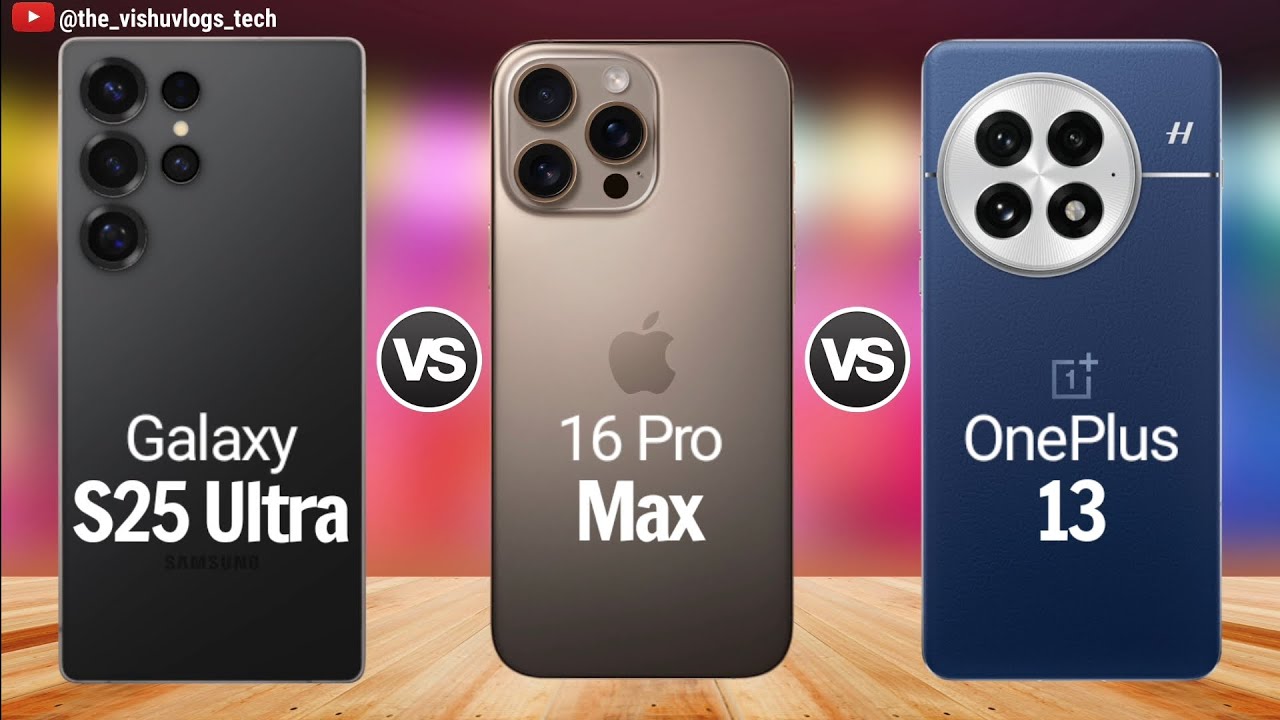
The Samsung Galaxy S25 Ultra is the ultimate flagship for professionals and enthusiasts. Its 6.9-inch bright display, Snapdragon 8 Elite processor, and 200MP camera with 100x zoom make it the most capable smartphone available. The included S Pen transforms it into a productivity powerhouse for note-taking and document signing. This is the choice for multitaskers and creative professionals.
Best for Students and Creatives: Motorola Moto G Stylus 5G
Price: $199.99
Students and creative professionals will appreciate the Moto G Stylus 5G, which combines affordability with practical features. The built-in stylus enables note-taking and digital drawing without premium pricing. With 8GB RAM, a 50MP camera, and 24+ hours of battery life, it handles schoolwork and creative projects efficiently while remaining accessible.
Best Affordable Premium Option: Google Pixel 9a
Price: Under $400
The Google Pixel 9a proves premium experiences don't require premium prices. This device features a sleek redesign, an upgraded main camera, and Gemini AI built-in. The bright display, excellent battery life, and seven years of security updates make it an outstanding value for anyone wanting a quality Android phone without flagship costs.
Best iPhone Option: iPhone 16
Price: $699
For iPhone buyers seeking value, the iPhone 16 remains an excellent choice. Its 6.1-inch display with Dynamic Island, dual rear cameras, and A18 processor deliver Apple's signature quality. With Apple Intelligence support and all-day battery life, it's perfect for users planning long-term ownership of an iOS device.
iOS vs Android: Which Platform Suits You?
Choose Android If You Prefer:
- Customization options and flexibility
- Diverse price points across manufacturers
- Advanced AI features on Google Pixel devices
- File management and sideloading capabilities
- Expandable storage on select models
Choose iOS If You Prefer:
- Seamless ecosystem integration across Apple devices
- Consistent software updates and longevity
- Strong privacy protections
- Exclusive apps and services
- Premium build quality and design consistency
Budget Considerations: New vs. Last Year's Models
The smartphone market offers compelling opportunities through last year's models. Devices like the iPhone 16 and previous-generation Pixels deliver excellent performance at reduced prices. Phone sales on older flagships often provide better value than new budget models, offering superior cameras, processors, and build quality for comparable pricing.
Software Support: A Critical Factor
Long-term value depends heavily on software support. Premium devices typically receive 5-7 years of updates:
- Google Pixel phones – 7 years of security updates
- Samsung Galaxy – Up to 6 years on mid-range; 5+ years on flagships
- iPhone – 5-7 years of iOS updates
This extended support ensures your phone remains secure and feature-rich for years after purchase.
Making Your Final Decision
For Best Overall Value
Choose the Google Pixel 10 Pro – it balances performance, camera quality, AI capabilities, and battery life at a reasonable price point.
For Absolute Budget Consciousness
The Samsung Galaxy A16 5G delivers modern features, a beautiful display, and reliable performance for under $200.
For Maximum Capability
The Samsung Galaxy S25 Ultra offers every feature imaginable, from advanced cameras to productivity tools, justifying its premium price for power users.
For Apple Ecosystem Users
The iPhone 16 provides excellent value compared to newer Pro models while maintaining Apple's quality standards and long-term support.
For Students and Budget-Conscious Creatives
The Moto G Stylus 5G combines practical features like a built-in stylus with affordability that respects student budgets.
Frequently Asked Questions
What's the difference between budget phones and midrange phones in 2026?
Budget phones (under $300) prioritize essential features, adequate performance, and solid battery life. Midrange phones ($300-$700) add improved cameras, faster processors, brighter displays, and better build quality. The gap has narrowed significantly, making budget phones more capable than ever.
Should I buy a new phone or a last year's model?
Last year's models often offer superior value, providing flagship features at budget prices. If you don't need the absolute latest features, purchasing a previous-generation flagship can save you $200-$300 while delivering better performance than current-year budget phones.
Which phone has the best camera in 2026?
The Google Pixel 10 Pro excels in versatility and computational photography, while the Samsung Galaxy S25 Ultra leads in raw power with its 200MP sensor and 100x zoom capability. Choice depends on whether you prioritize AI-enhanced photography or maximum zoom reach.
What's the best phone for students?
The Moto G Stylus 5G is ideal for note-taking and creative work at $199.99, while the Google Pixel 9a offers better overall performance and camera quality for slightly more investment. Both receive years of software updates.
How long will my smartphone last?
Modern smartphones typically remain usable for 4-6 years. However, software support is crucial – devices receiving 5+ years of updates will remain secure and functional longer. Premium flagships from Apple and Google often outlast their hardware capabilities due to extended software support.
Is 5G necessary when buying a new phone?
5G is becoming standard across all price points in 2026. While valuable in areas with 5G coverage, it's not essential for most users. Focus on other factors like camera quality, battery life, and processor performance unless you specifically need 5G speeds.
What RAM do I actually need in a smartphone?
For casual use, 6GB RAM suffices. For multitasking and gaming, 8GB is comfortable. Power users, creatives, and professionals benefit from 12-16GB. Most users won't notice differences beyond 12GB in real-world performance.
Should I choose iOS or Android?
Choose iOS for ecosystem integration, privacy, and longevity if you own other Apple devices. Choose Android for customization, diverse options, and advanced AI features. Both platforms receive excellent software support and deliver premium experiences.
What's the most important feature when buying a phone?
Priorities vary by user: camera quality for photographers, battery life for travelers, processing power for gamers, display quality for media consumers, and AI features for productivity-focused professionals. Identify your primary use case before comparing specs.
Are flagship phones worth the extra cost?
Flagship phones justify their cost through superior cameras, faster processors, longer battery life, premium build quality, and extended software support. If you keep phones for 4+ years and use them intensively, flagship quality often provides better long-term value than budget alternatives.