
Child Cell Phone Age: When Is the Right Time for Your Kid's First Phone?
Deciding on the child cell phone age can feel overwhelming for parents. There's no one-size-fits-all answer, but surveys and experts point to ages 12-14 as a common sweet spot for introducing a child's first phone. This guide breaks down smartphone age recommendations, focusing on appropriate age, phone responsibility, and phone safety to help you choose wisely.
What Do Surveys Say About the Appropriate Age?

Parent surveys and educator polls reveal trends in the smartphone age debate. A survey of nearly 700 educators found 58% recommend ages 12-14 for a student's first phone, with 23% picking 13 specifically. Another parent poll showed 45% agreeing on 12-14, 16% for 9-11, and 28% for 15-17. Common Sense Media data notes kids as young as 8 now own phones, with 30% of 8-9-year-olds having one by 2021—up from 11% in 2015.
- Most kids get phones by grade 5 (age 11) pre-COVID.
- AAP data shows average first phone at 12-13 for independence.
- Experts like those at Children's Mercy suggest 14, when teens grasp consequences.
No Universal 'Right Age'—Focus on Maturity Level
Experts agree: there's no research-backed child cell phone age. Instead, assess your child's maturity level and context. One 13-year-old differs from another—consider behavior, trust, and discussions on right vs. wrong. Teens in studies emphasize personal responsibility over a set age.
For safety-focused families, start with basic flip phones for calls/texts, avoiding internet temptations. These offer phone safety without full smartphone access.
Promoting Phone Responsibility and Managing Screen Time

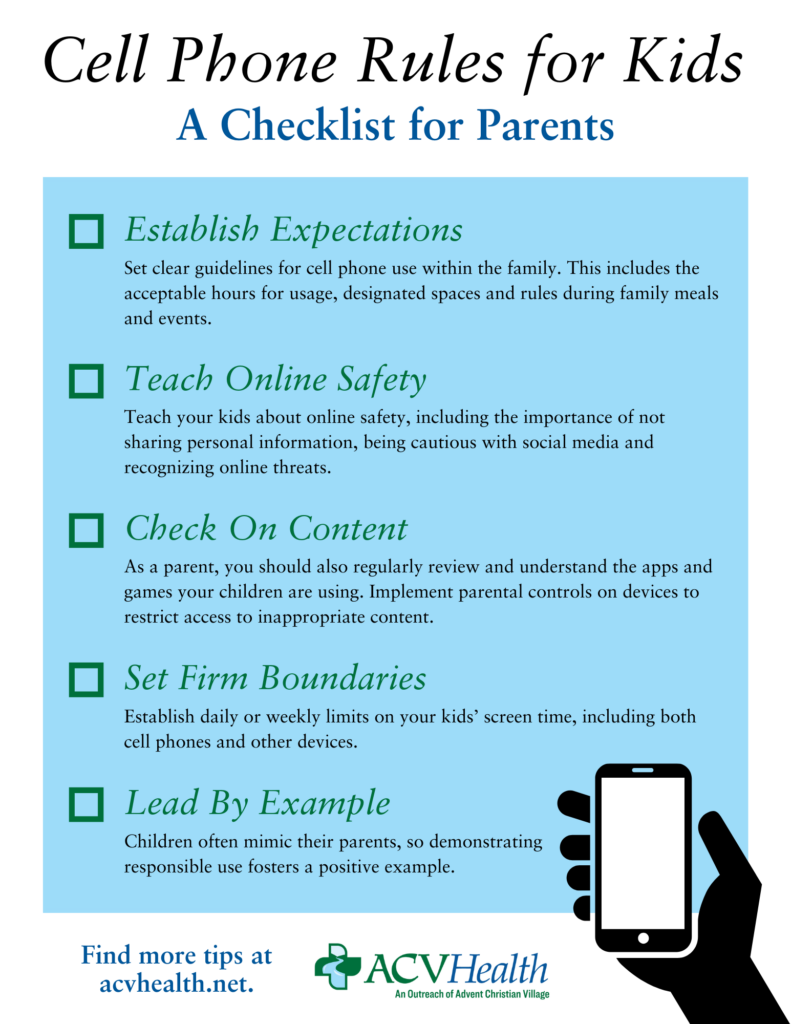
A child's first phone teaches valuable lessons. Set clear rules to build phone responsibility:
- Create a family contract outlining usage, consequences, and check-ins.
- Limit screen time—no phones in bedrooms, at dinner, or during homework.
- Separate phone from social media; decide apps individually.
- Use parental controls for privacy, content, and downtime.
Phones distract in class and risk misuse like cheating or bullying, so emphasize accountability.
Phone Safety Tips for the Appropriate Age
Prioritize phone safety from day one. Discuss expectations, monitor texts for bullying, and align devices with family needs—prepaid basics are budget-friendly. Movements like Wait Until 8th encourage delaying smartphones until end of 8th grade.
Choosing the Right First Phone: Features and Value
When ready, pick a starter device balancing features, performance, and safety. Focus on:
- Design: Kid-friendly, durable builds with parental controls.
- Battery: Long-lasting for all-day reliability without constant charging.
- Camera: Basic for family snaps, not pro-level to curb social media obsession.
- Performance: Smooth calls/texts; avoid high-end specs that enable heavy screen time.
- Value: Affordable prepaid plans or flip phones offer great responsibility-building at low cost.
FAQs on Child Cell Phone Age
Q1: What's the most common child's first phone age?
A: Surveys show 12-14 years, aligning with middle school independence.
Q2: How do I know if my child is at the appropriate age?
A: Evaluate maturity level, rule-following, and responsibility readiness.
Q3: Should I get a smartphone or basic phone first?
A: Start with flip phones for phone safety if full access worries you.
Q4: What rules help with phone responsibility?
A: Use contracts banning bedroom use and setting screen time limits.
Q5: Do younger kids face more risks?
A: Yes, distractions and inappropriate content rise without maturity.
Q6: What's the average smartphone age per research?
A: Around 11-13, but delay if not ready.
Q7: How to manage screen time on first phones?
A: Set boundaries and controls early.