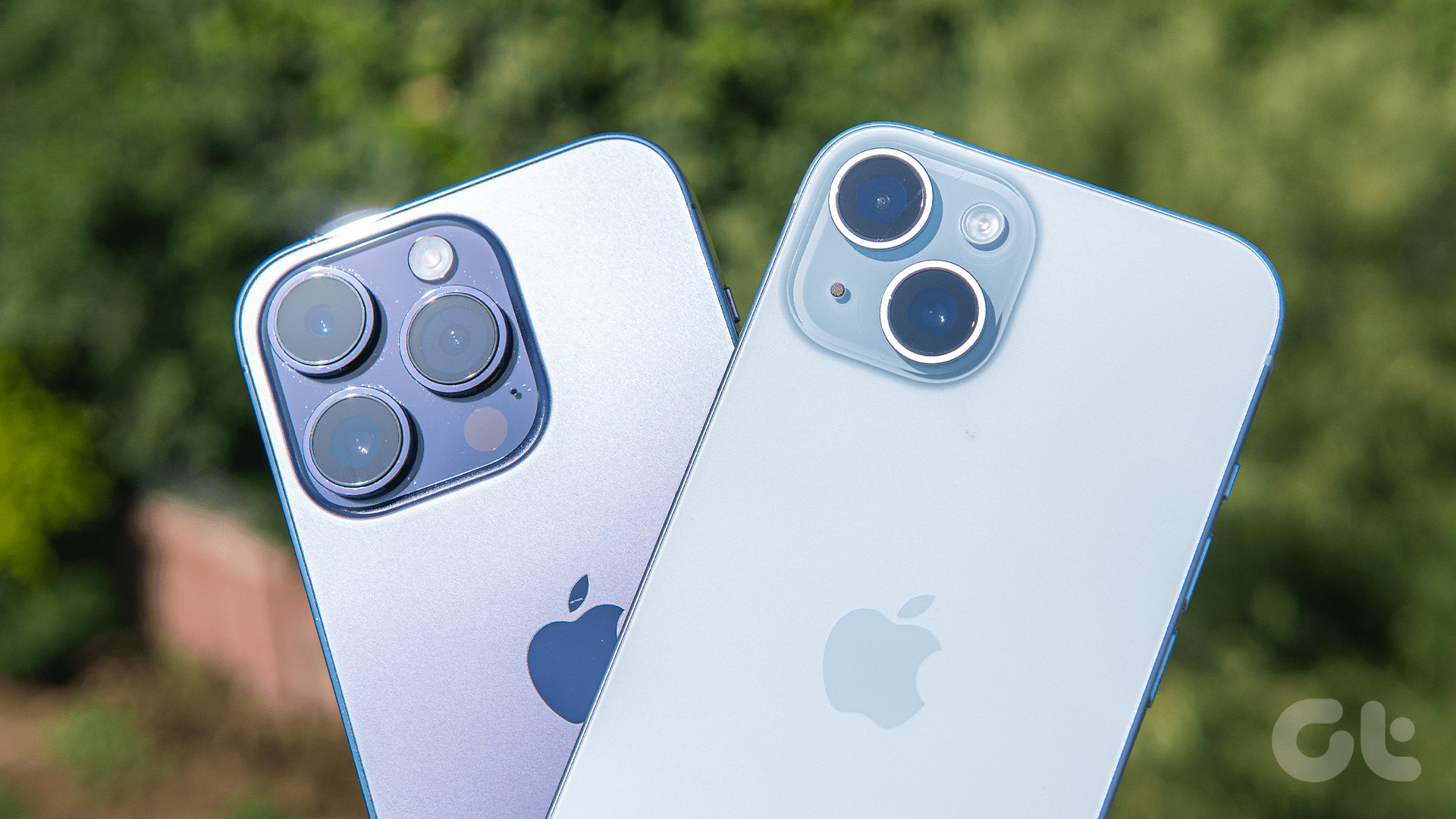
How Does a Cell Phone Work? The Basics Unveiled
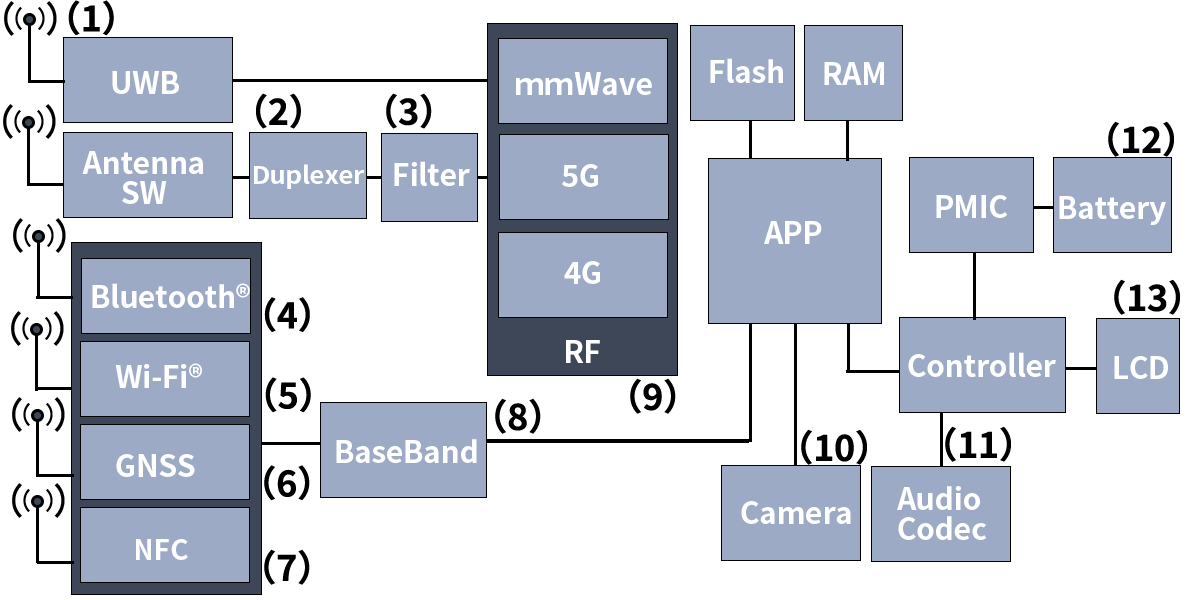
Ever wondered how does a cell phone work? At its core, a cell phone or mobile phone is a sophisticated radio that uses radio waves and electromagnetic waves to connect you wirelessly, unlike old landlines tied by cables. Modern digital technology turns your voice into data packets sent via signals to cell towers and base stations. Let's break it down step by step.
The Key Components: Microphone, Antenna, and More
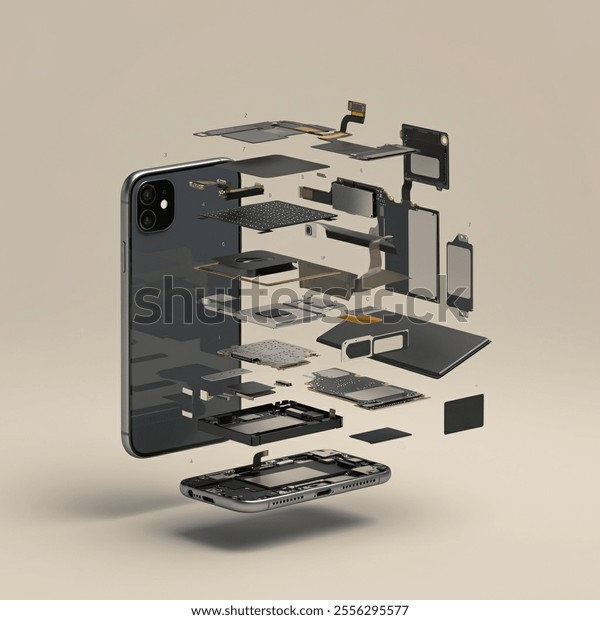
Your cell phone starts with a microphone that captures sound waves from your voice. These hit a diaphragm, creating vibrations that generate electrical signals. A microchip then converts these into digital numbers using digital technology.
- Microphone: Picks up your voice as sound waves and turns them into electrical signals.
- Antenna: Beams out the radio waves carrying your digitized voice.
- Transceiver: Combines transmitter (sends data) and receiver (catches incoming signals).
From Voice to Radio Waves: The Transmission Magic
When you speak, the microphone vibrates, modulating electricity based on your voice pitch. This signal gets digitized into binary code, packed into a radio wave, and fired from the antenna at light speed to the nearest cell tower.
The cell tower (or mast) relays it to a base station, which routes the call through the network—either to another mobile phone or landline. Cells are hexagonal zones reusing frequencies to handle millions of calls without interference.
Receiving Calls: How Signals Come Back to You
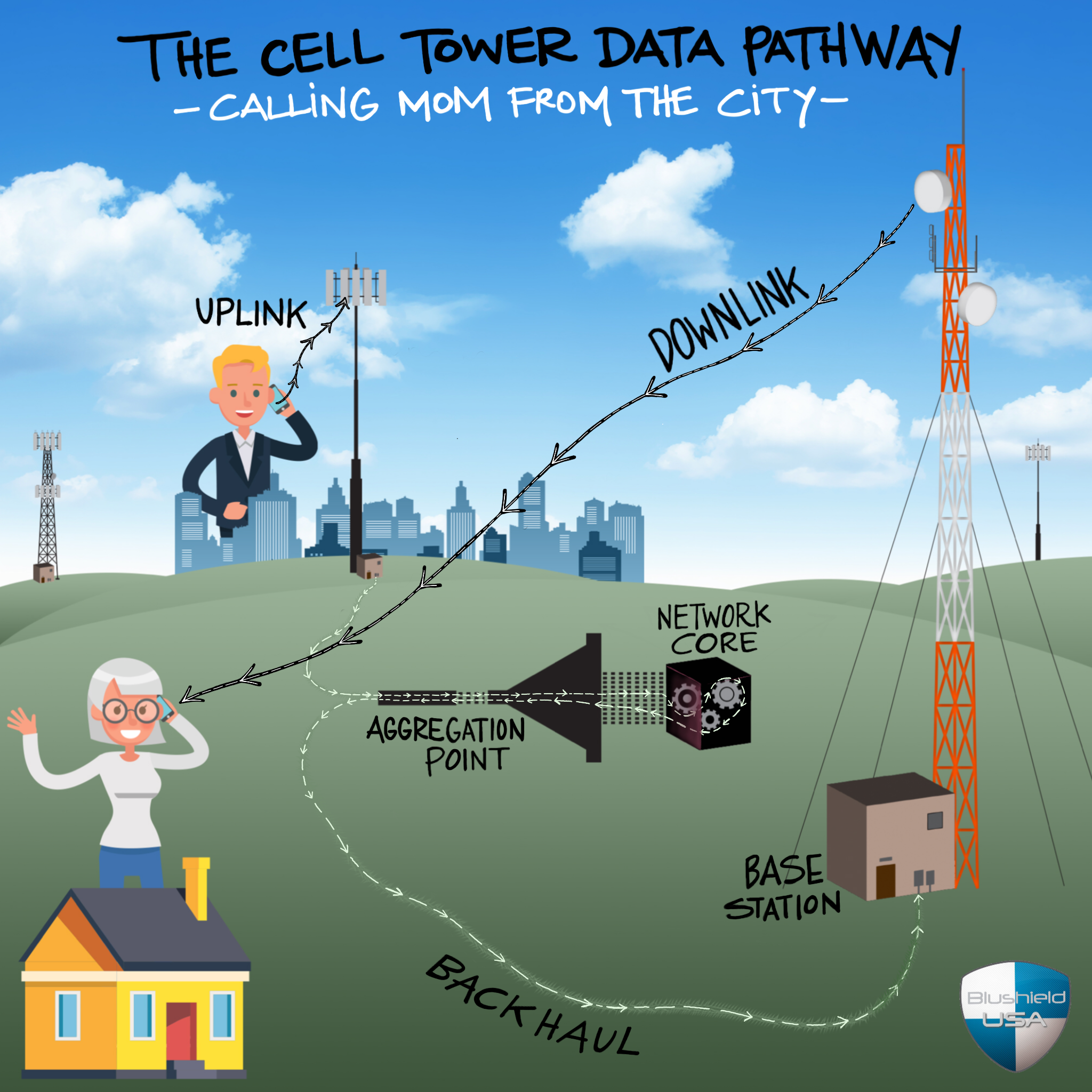
Incoming calls reverse the process. The base station sends electromagnetic waves to your cell tower, which beams them to your phone's antenna. The receiver converts them back to electrical signals, vibrating a diaphragm to recreate sound you hear clearly.
Handover: Seamless Switching Between Towers
As you move, your cell phone automatically switches cell towers for the strongest signal. The current tower notifies your device to scan for better ones, ensuring uninterrupted calls and data.
Modern Features Powered by This Tech
Understanding how a cell phone works enhances appreciation for today's smartphones. Superior antennas boost signal for 5G speeds, advanced digital technology powers cameras with AI processing, long-lasting batteries handle constant radio waves transmission, and sleek designs pack powerful base station connectivity. This delivers top performance, stunning cameras, all-day battery, premium design, and unbeatable value for money in devices like the latest flagships.
Frequently Asked Questions (FAQs)
1. What role do radio waves play in how a cell phone works?
Radio waves carry digitized voice and data from your antenna to the cell tower.
2. How does a cell tower connect to the base station?
The cell tower receives signals and forwards them via cables to the base station for routing.
3. Why is digital technology important in cell phones?
It converts analog voice to numbers for efficient, clear transmission over electromagnetic waves.
4. What happens when you move between cell towers?
Your mobile phone hands over to the nearest tower with the strongest signal seamlessly.
5. How does the microphone in a cell phone function?
It captures sound waves, vibrates a diaphragm, and creates electrical signals for processing.
6. Can cell phones reuse frequencies in different cells?
Yes, hexagonal cells use unique frequencies to avoid interference, enabling massive capacity.
7. What's the difference between cell phone and landline signal transmission?
Landlines use wires; cell phones use wireless radio waves and cell towers.
8. How do electromagnetic waves affect battery life?
Phones minimize power for weak signals to conserve battery while connecting to towers.