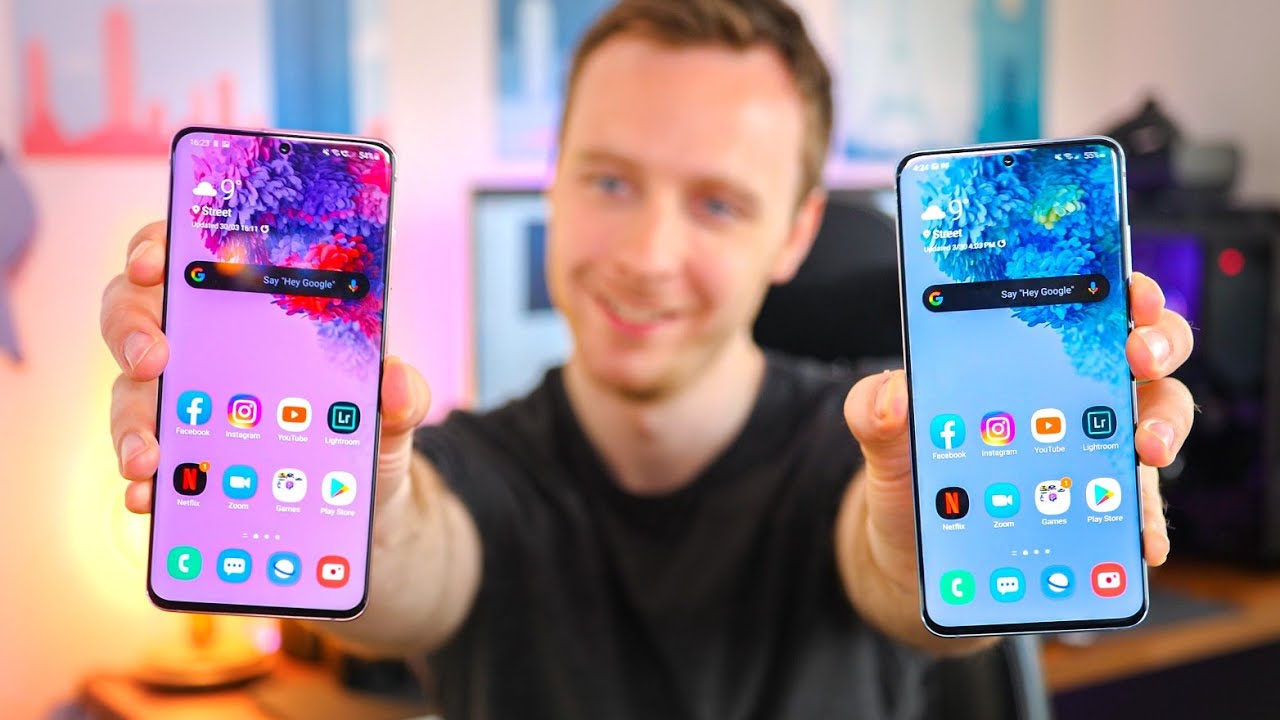
High Refresh Rate Screens: 90Hz vs 120Hz in Smartphones

High Refresh Rate Screens: Revolutionizing Smartphones with 90Hz and 120Hz Displays
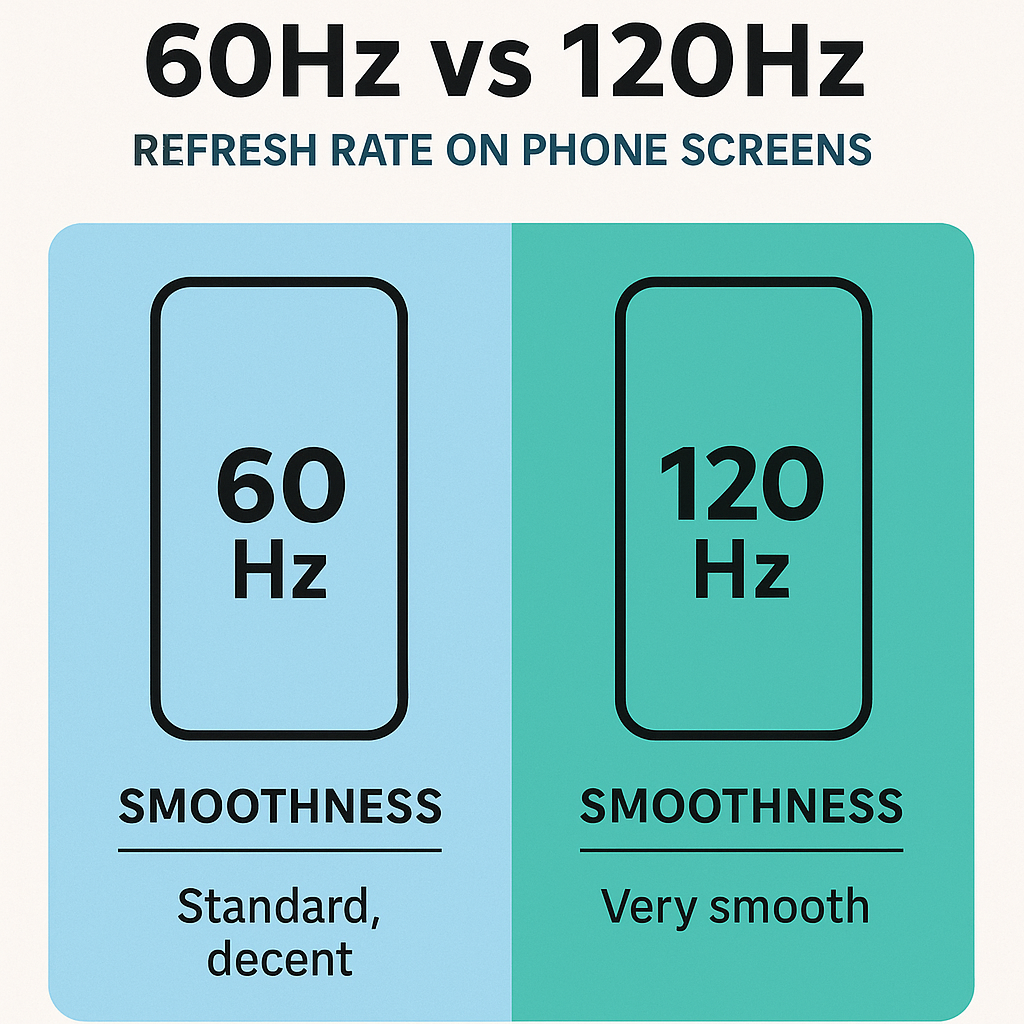
In today's fast-paced mobile world, high refresh rate screens have become a game-changer for smartphones. Unlike traditional 60Hz displays that update 60 times per second, 90Hz and 120Hz screens refresh far more frequently, delivering buttery-smooth visuals that elevate everything from daily scrolling to intense gaming sessions.
What is Refresh Rate and Why Does it Matter in Mobiles?

The refresh rate, measured in Hz, determines how many times per second your phone's screen updates its image. A 60Hz screen feels choppy during quick swipes, but jumping to 90Hz or 120Hz makes animations, smooth scrolling, and navigation feel incredibly responsive. This fluidity reduces motion blur, making fast-moving content like videos or games appear lifelike.
Key Benefits of 90Hz and 120Hz Screens in Smartphones
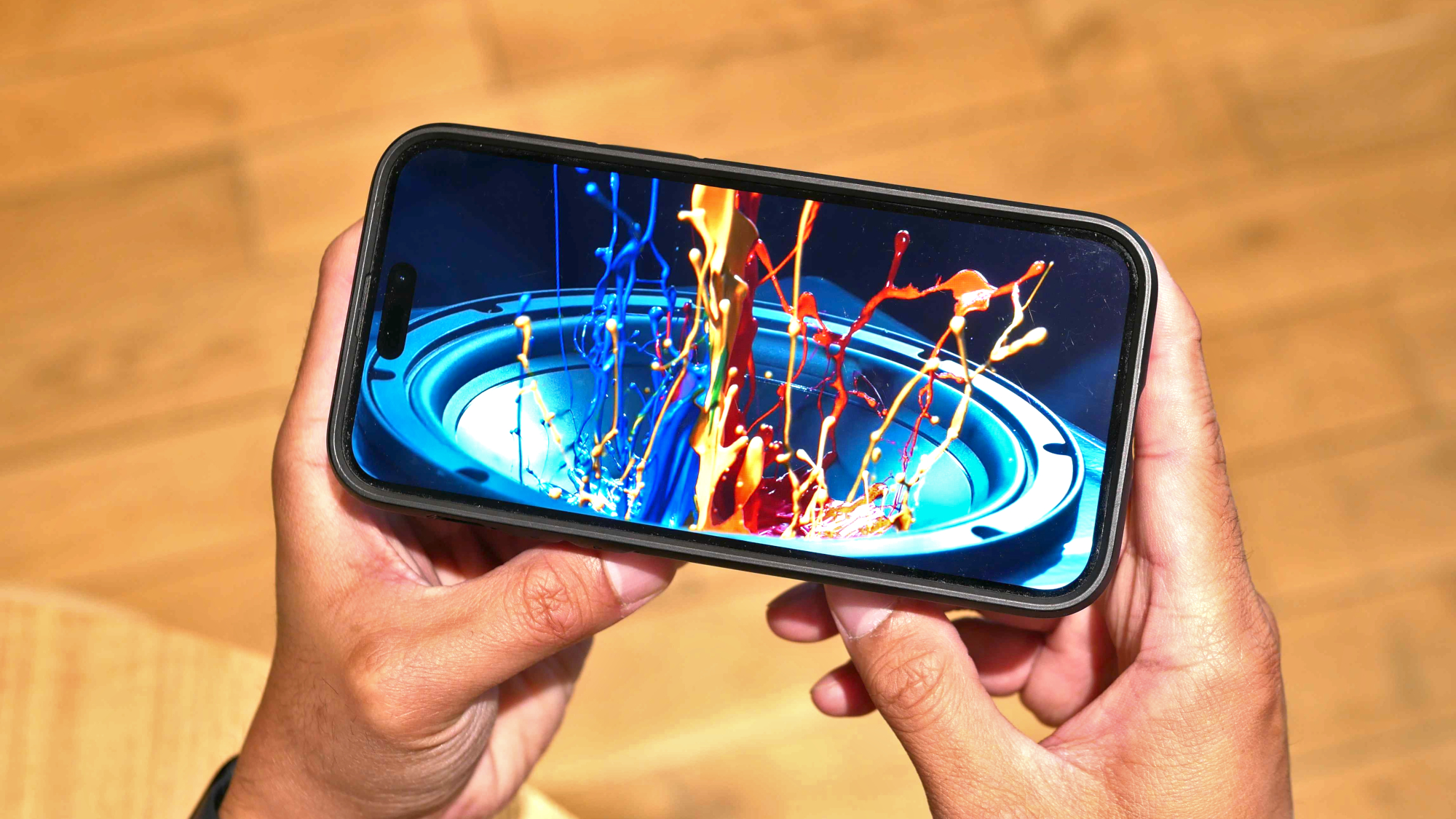
- Smooth Scrolling and Navigation: Say goodbye to jittery feeds on social media or browsers. High refresh rate screens make every swipe feel effortless, speeding up tasks like browsing or app switching.
- Enhanced Gaming Performance: For gamers, 120Hz provides a competitive edge with reduced input lag and clearer motion. Fast-paced titles like FPS or racing games become immersive, letting you react faster than on 60Hz displays.
- Superior Video Playback: High-frame-rate videos shine on 90Hz or 120Hz panels, eliminating blur in action scenes or sports, for a cinematic experience.
- Responsive Touch Input: Touches register instantly, improving typing, drawing, and app interactions without the lag of older screens.
- Reduced Eye Strain: Higher rates minimize flicker, allowing longer sessions without fatigue—perfect for work or leisure.
High Refresh Rate vs 60Hz: A Clear Comparison
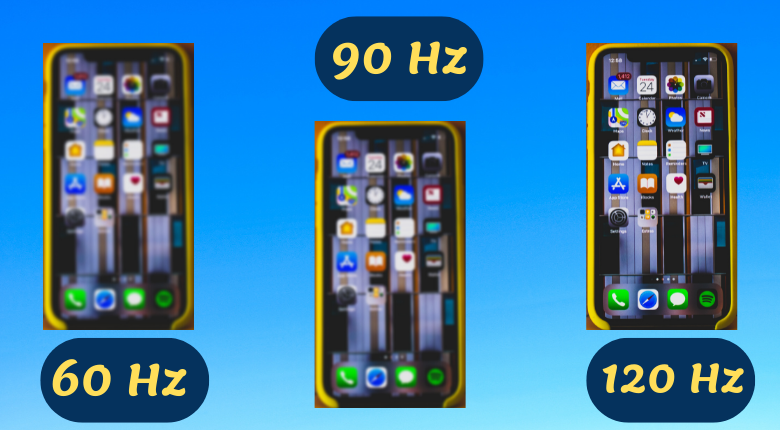
Compared to 60Hz, high refresh rate screens transform user experience. Everyday tasks feel natural, gaming gains realism, and videos pop with clarity. Modern flagships like Samsung Galaxy S21 Ultra or gaming phones like Nubia Red Magic pack these features standard.
Battery Life Considerations with 90Hz and 120Hz
High refresh rate screens demand more power due to frequent updates, potentially shortening battery life. However, smart solutions like adaptive refresh rates—seen in Apple's ProMotion on iPhone 13 Pro—switch to lower rates for static content, balancing smoothness and efficiency. Look for phones with large batteries (e.g., 5000mAh+) and powerful processors (2.0-2.5GHz) to sustain performance without compromise.
Performance, Design, and Value in High Refresh Rate Phones
Pair high refresh rate screens with FHD+ resolutions for sharp details and vibrant colors, as in the Meizu Note 21's 6.74-inch 90Hz display. Strong processors handle demanding games, while sleek designs enhance portability. For value, mid-range smartphones with 120Hz offer premium features without flagship prices, ideal for gamers and heavy users. Camera and battery shine brighter with smooth interfaces for editing or sharing.
Who Should Upgrade to a 120Hz Smartphone?
Gamers, content creators, and daily power users benefit most from high refresh rate screens. Casual users still enjoy blur-free videos and comfy scrolling. If your current 60Hz phone feels sluggish, upgrading delivers noticeable gains in performance and comfort.
Frequently Asked Questions (FAQs)
1. What is a high refresh rate screen in mobile phones?
A high refresh rate screen like 90Hz or 120Hz updates more frequently than 60Hz, providing smoother visuals and responsiveness in smartphones.
2. Is 120Hz better than 90Hz for gaming?
Yes, 120Hz offers even less motion blur and faster reactions than 90Hz, giving a bigger edge in competitive gaming.
3. Does high refresh rate affect battery life?
It can drain battery life faster, but adaptive modes and larger batteries mitigate this in modern smartphones.
4. Are high refresh rate screens worth it for casual users?
Absolutely—enjoy smooth scrolling, reduced eye strain, and better video playback even for non-gamers.
5. Can I switch refresh rates on my phone?
Many smartphones allow toggling between 60Hz, 90Hz, or 120Hz to save power during light use.
6. What's the difference between 60Hz and 120Hz scrolling?
120Hz makes smooth scrolling feel fluid and natural, eliminating the stutter of 60Hz.
7. Do all smartphones have high refresh rates?
No, but flagships and mid-rangers increasingly feature 90Hz or 120Hz as standard.
8. How does refresh rate impact video playback?
High refresh rate screens reduce blur in high-frame-rate videos, making action content clearer.
Frequently Asked Questions
A refresh rate measures how many times per second a screen updates its image, measured in Hz. While traditional 60Hz screens refresh 60 times per second, high refresh rate screens like 90Hz and 120Hz refresh 90 to 120 times per second. This higher frequency makes animations, scrolling, and navigation feel significantly smoother and more responsive compared to the choppy experience of lower refresh rates. The increased refresh rate reduces motion blur, making fast-moving content appear clearer and more lifelike.
120Hz screens deliver several key advantages: Smoother scrolling and navigation - every swipe feels effortless and fluid when browsing social media or apps. Enhanced gaming performance - competitive gamers benefit from reduced input lag and faster reaction times in fast-paced games. Reduced motion blur - videos, games, and live streams appear clearer and less choppy. Improved touch responsiveness - gestures and taps register almost instantaneously. Better eye comfort - higher refresh rates can reduce perceived flicker, potentially decreasing eye fatigue during extended use.
Yes, high refresh rate screens consume more power because displaying more frames requires additional energy from your device's battery. However, modern smartphones address this through adaptive refresh rate technology, which automatically adjusts the refresh rate based on usage—lowering it for static content like reading and ramping it up during intense activities like gaming. This variable refresh rate approach, such as Apple's ProMotion technology on iPhone 13 Pro, balances smoothness with efficiency without unnecessarily draining your battery. Additionally, flagship models now feature low-power refresh modes as low as 1Hz during static display use to conserve battery.
120Hz displays have become the baseline for modern premium smartphones. Current flagship models with 120Hz screens include the entire iPhone 17 series, Samsung Galaxy S25 series, and Google Pixel 10 series, all featuring 120Hz adaptive refresh across their lineups. Other notable devices include Samsung Galaxy S21 Ultra, Nubia Red Magic, Asus ROG phone, and Lenovo Legion. These high refresh rate displays are no longer reserved for luxury models but are now standard features across most flagship device lineups.
The upgrade delivers noticeable, visible improvements in daily use. You'll experience smoother animations, more natural gestures, and fluid scrolling that feel significantly better than 60Hz screens. Gaming and video playback become more cinematic and responsive. However, consider the trade-offs: 120Hz phones typically cost more than entry-level 60Hz models, and the higher refresh rate may not be necessary for basic applications like messaging or email. The upgrade is most valuable if you frequently game, watch videos, or spend considerable time scrolling through apps—activities where the smoothness difference becomes immediately apparent.
Reuz Editorial Team
Expert writers covering the latest in mobile technology and gadget trends.
You May Also Read

SELL YOUR PHONE FOR CASH: TOP PLACES TO TRADE IN YOUR DEVICE (2026)

How Does a Cell Phone Work? Explained Simply
Discover how a cell phone works using radio waves, cell towers, and digital technology. From microphone to antenna, learn the magic behind calls, signals, and mobile connectivity in this easy guide.

Is Smartphone Camera Quality a Key Purchasing Factor?
Discover why smartphone camera quality ranks as a top purchasing factor for buyers in 2026. Explore sensor quality, resolution, and how premium smartphones influence buying behavior with top models like Galaxy S25 Ultra.

How to Sell Mobile Online: The Complete 2026 Guide to Getting Maximum Value for Your Old Phone
Learn how to sell mobile online in 2025 and get maximum value for your old phone. India's used smartphone market is booming with 20 million units traded annually, growing 9.6% year-over-year. Whether you want to sell old phone, sell your iPhone, or trade any brand, online platforms like Reuz offer 10% higher prices than traditional buyers. This comprehensive guide covers everything from determining phone resale value to choosing the best mobile selling app. Discover step-by-step instructions for preparing your device, understanding phone exchange value, and completing secure transactions. Learn about API-integrated valuation systems, doorstep pickup services, and instant payment options. Premium phones like iPhone 15 Pro Max retain 65-70% value after one year. Sell phone online through certified platforms to ensure fair pricing, data security, and environmental responsibility. Get instant valuations, free assessments, and cash for phones within 24-48 hours.
Mobile Security: Protect Devices from Cyber Threats
Discover essential mobile security strategies to safeguard smartphones and tablets from cyber threats like malware and data leaks. Learn about endpoint security, encryption, and best practices for data protection in a mobile-first world.