
Is Smartphone Camera Quality the Ultimate Purchasing Factor?
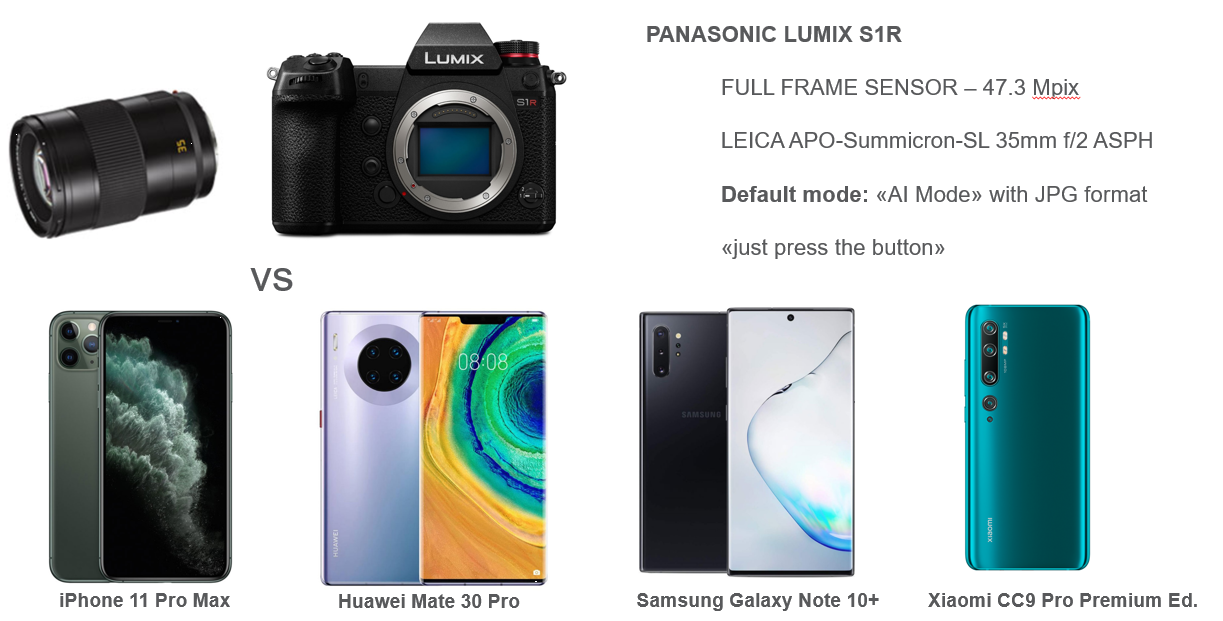
In today's market, smartphone camera quality has emerged as a dominant purchasing factor for smartphone buyers. With premium smartphones packing advanced sensors and AI-driven features, camera quality often tips the scales in buying decisions, outshining even battery life and design for photography enthusiasts.
Why Camera Quality Drives Buying Behavior
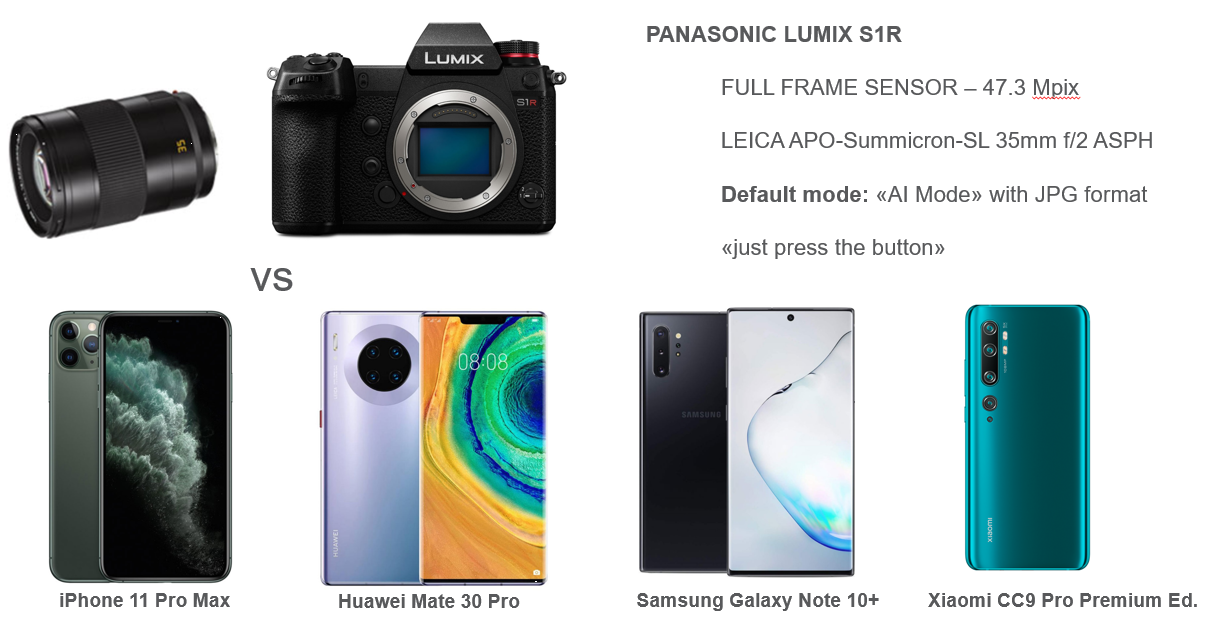
Smartphone cameras have evolved dramatically, making photography quality a core consideration. Surveys and reviews show that camera resolution and sensor quality influence up to 70% of purchasing choices among avid users. Buyers prioritize phones that deliver pro-level shots without needing a dedicated camera.
- Versatile lens arrays (ultra-wide, telephoto, main) for all scenarios.
- AI enhancements for low-light performance and zoom.
- Instant sharing on social media boosts appeal.
Top Premium Smartphones Excelling in Camera Performance
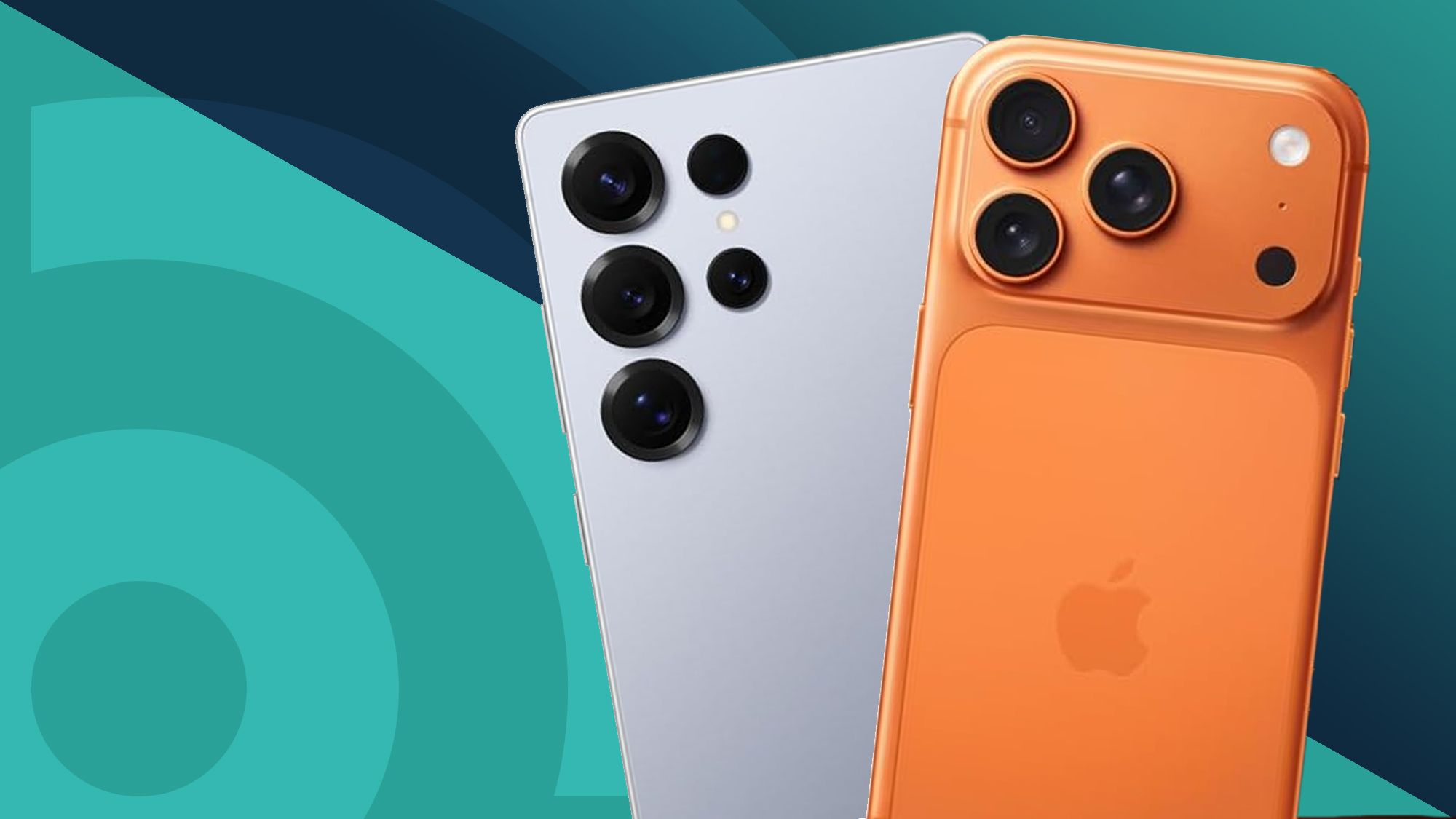
Flagship models like the Samsung Galaxy S25 Ultra lead with 3x high-resolution sensors, dual telephoto lenses, and advanced AI for superior photography quality. Its reflection removal tool and anti-reflective screen make it ideal for creators.
The Google Pixel 10 Pro shines with consistent photos, AI-enhanced zoom up to 10x, and panorama modes, though macro lags behind rivals. Vivo X200 Pro impresses with large main sensors for excellent high-ISO low-light shots.
| Phone | Key Camera Features | Strengths |
|---|---|---|
| Galaxy S25 Ultra | 4x lenses, AI editing | Zoom, video quality |
| Pixel 10 Pro | Triple setup, Super Res Zoom | Consistency, AI zoom |
| iPhone 16 Pro Max | New camera button, OIS | Portrait mode, ease |
| Vivo X200 Pro | Large sensor, 5x tele | Low-light mastery |
Sensor Quality and Resolution: The Real Game-Changers
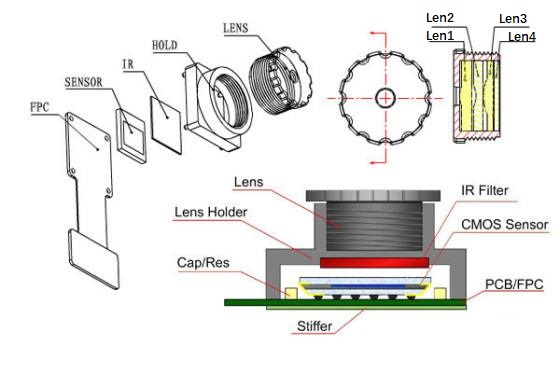
While dreams of one-inch sensors persist, 2026 premium smartphones focus on binning tech—like 108MP sensors combining pixels for 9x better light capture. This boosts dynamic range and reduces blur, rivaling mirrorless cameras in good light.
However, smartphones still trail in challenging conditions: smaller pixels gather less light (up to 18x less than full-frame), leading to noise above ISO 800. Computational photography bridges the gap with multi-frame HDR and noise reduction.
Balancing Camera with Other Features
Beyond camera quality, top phones offer stellar performance: Galaxy S25 Ultra's bright screen pairs with S Pen for editing; Pixel's AI adds 'Add-me' features. Battery life supports long shoots, while sleek designs enhance portability—key for value-conscious buyers.
- Performance: Flagship chips handle 8K video without throttling.
- Battery: All-day power for continuous shooting.
- Design: Premium builds with camera bumps optimized for stability.
- Value: Mid-range options now match flagships in casual photography.
FAQs on Smartphone Camera Quality
1. Is smartphone camera quality a top purchasing factor? Yes, it's crucial for smartphone buyers seeking versatile photography quality without extra gear.
2. What makes sensor quality important in smartphone cameras? Larger effective pixels via binning improve low-light shots and dynamic range.
3. Which premium smartphone has the best camera resolution? Galaxy S25 Ultra with high-res telephotos excels in zoom and detail.
4. How does computational photography affect buying behavior? It delivers polished results instantly, swaying casual users.
5. Can smartphone cameras replace dedicated ones for photography? For social media and travel, yes; pros need mirrorless for tough conditions.
6. What role does camera quality play in premium smartphones? It's a differentiator with AI features like reflection removal.
7. How important is camera resolution for photography quality? High MP with binning boosts light gathering over raw count.
8. Do smartphone buyers prioritize camera over battery? Often yes, especially for content creators valuing performance.