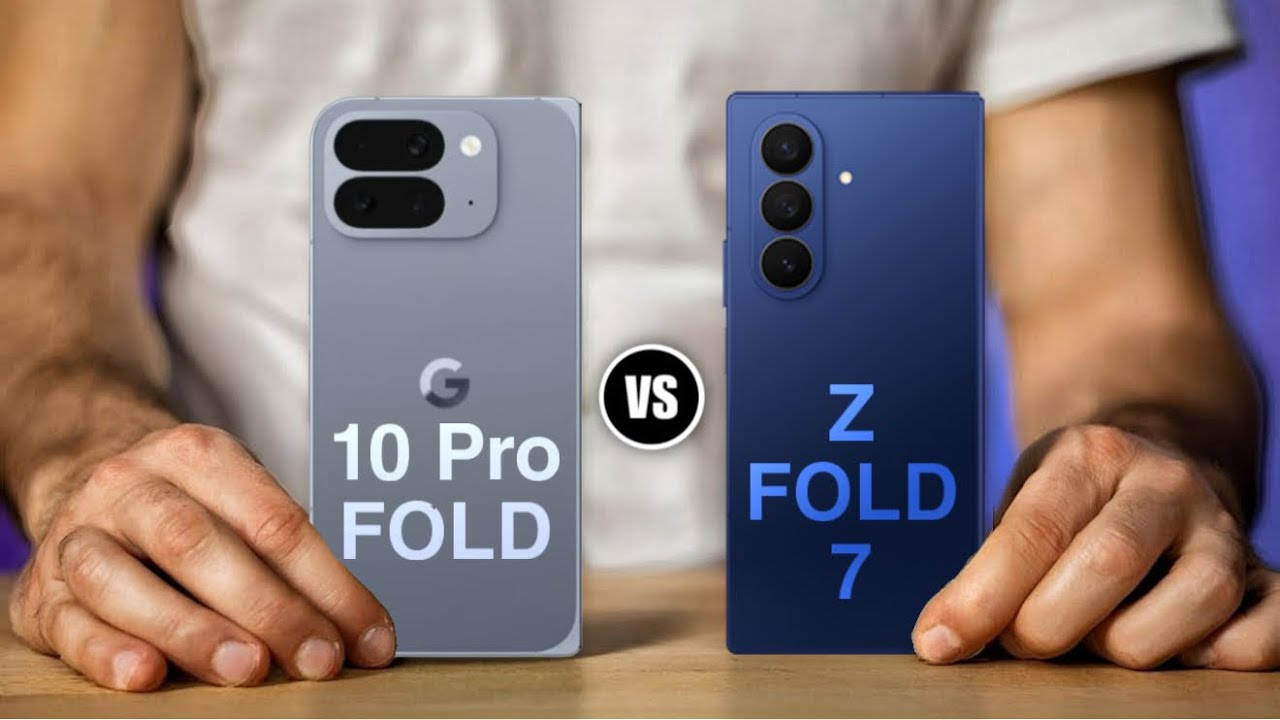
Samsung Galaxy Z Fold 7 vs Google Pixel 10 Pro Fold: The Ultimate Foldable Showdown
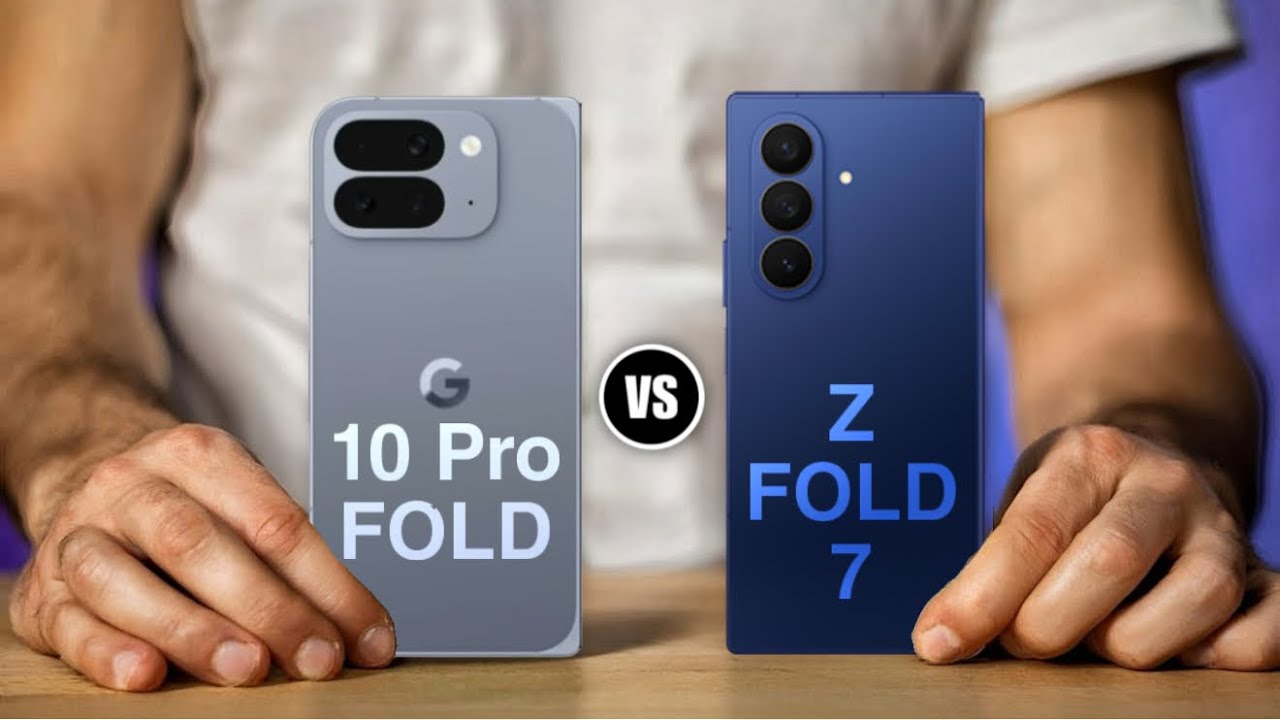
The foldable smartphone market has evolved dramatically, with Samsung and Google leading the charge. If you're trying to decide between the Samsung Galaxy Z Fold 7 and the Google Pixel 10 Pro Fold, you're looking at two premium devices that take different approaches to the foldable experience. Let's break down how these flagship foldables compare across the categories that matter most.
Design and Build Quality: Lighter vs. Larger
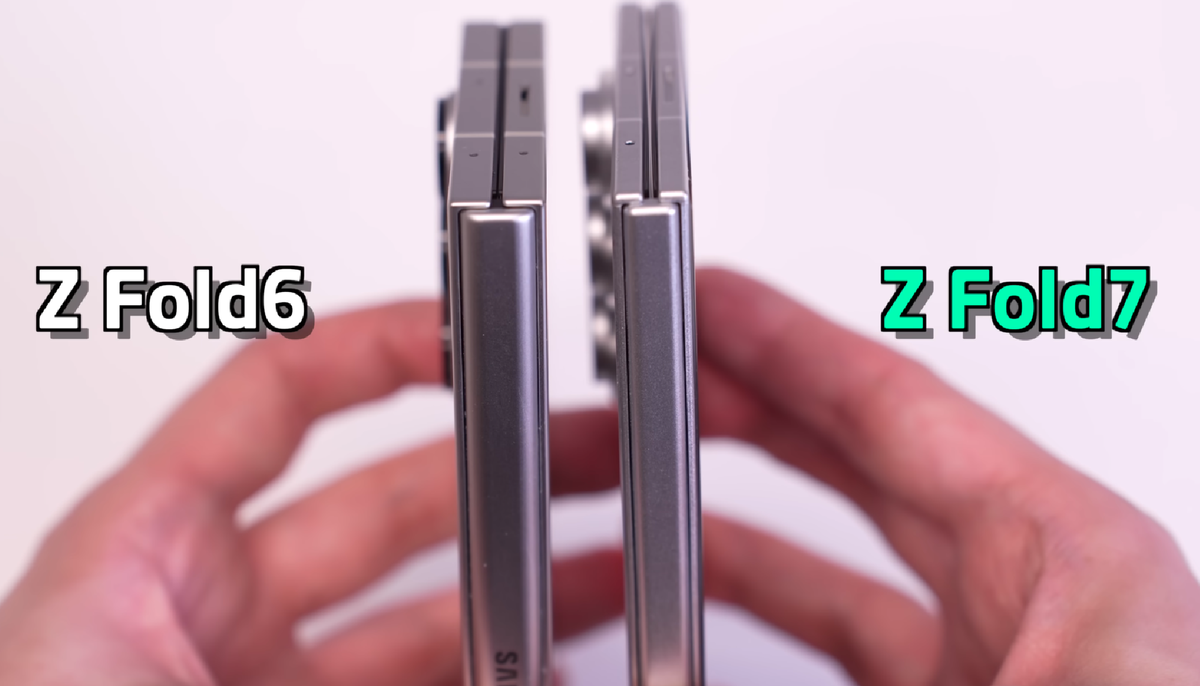
When it comes to foldable phones, physical characteristics make a significant difference in daily usability. The Galaxy Z Fold 7 stands out as the more refined option in terms of portability. It's noticeably lighter and thinner than the Pixel 10 Pro Fold, which becomes especially important when you consider how much thicker these devices become when folded shut.
Both devices feature premium materials with Corning Gorilla Glass backs and aluminum frames. However, the Z Fold 7 upgrades to Gorilla Glass Victus 2, while the Pixel uses the original Victus. The Z Fold 7 also offers better water and dust resistance with an IP48 rating compared to the Pixel's IP68 rating.
The Z Fold 7 gives you more color options too—Jetblack, Silver Shadow, Blue Shadow, and Mint—versus the Pixel's Obsidian and Porcelain choices.
Display Performance: Brightness and Real Estate

Display quality is crucial for a foldable phone experience. The Galaxy Z Fold 7 features an 8.0-inch inner display with a 2184x1968px resolution, while the Pixel 10 Pro Fold comes with a 7.6-inch display at 2208x1840px. The Z Fold 7's larger screen gives you more workspace for multitasking and media consumption.
When it comes to brightness, the Z Fold 7's Dynamic AMOLED display reaches 2600 nits at peak brightness, significantly outshining the Pixel's 1450-nit OLED panel. This makes a real-world difference when viewing content in bright sunlight.
Both devices support 120Hz refresh rates and HDR content, but the Z Fold 7's superior brightness and larger screen-to-body ratio (90.43% vs 82.64%) create a more immersive viewing experience.
Camera Capabilities: Megapixels Meet Optimization
The camera systems on these foldables tell two different stories. The Z Fold 7 boasts a massive 200MP main camera with a 1/1.3" sensor, while the Pixel 10 Pro Fold uses a 48MP shooter with a 1/2" sensor. On paper, the Z Fold 7 wins on megapixels, and in practice, this translates to sharper detail and better cropping flexibility.
Where the Pixel excels is in AI-driven image processing and computational photography. The Pixel 10 Pro Fold produces images with more contrast and vibrant colors, while the Z Fold 7 tends toward warmer tones. For video recording, the Z Fold 7 supports 8K UHD at 30fps, while the Pixel maxes out at 4K UHD at 60fps.
Both devices feature triple rear camera setups with optical zoom capabilities, though the Z Fold 7's 3x telephoto lens differs from the Pixel's 5x option. For content creators, the Pixel offers superior audio-video synchronization during recording, while the Z Fold 7 experiences a slight 250-millisecond delay.
Performance and Processing Power
This is where the Galaxy Z Fold 7 pulls ahead decisively. Powered by Qualcomm's Snapdragon 8 Elite processor, the Z Fold 7 delivers nearly twice the CPU performance compared to the Pixel 10 Pro Fold's Tensor G5 chip. The GPU also performs 50-60% faster on the Z Fold 7.
In real-world usage, this performance gap becomes obvious with demanding tasks. Video editing, high-end gaming, and graphics-intensive applications run significantly faster on the Z Fold 7. One reviewer found that processing videos in Adobe Rush took under a minute on the Z Fold 7 versus tens of minutes on the Pixel. The Pixel's Tensor processor is optimized for AI tasks rather than heavy computational lifting.
GeekBench 6 scores underscore this advantage: the Z Fold 7 achieves 2948 single-core and 9365 multi-core points, while the Pixel manages 1483 and 3568 respectively.
Battery Life and Charging
Battery capacity slightly favors the Pixel 10 Pro Fold with 4821 mAh versus the Z Fold 7's 4400 mAh. In practice, reviewers report the Pixel delivers 6-8 hours of screen-on time during heavy use, while the Z Fold 7 achieves 5-6 hours. This makes the Pixel the better choice if all-day battery life is your priority.
However, the Z Fold 7 charges faster: 25W wired charging and 15W wireless charging compared to the Pixel's 21W wired and 7.5W wireless. The Z Fold 7 also supports reverse wireless charging, allowing you to charge other devices from your phone.
Software and Multitasking Experience
The Z Fold 7 offers superior multitasking capabilities on its larger display. You can run up to 3 split-screen apps or 5 floating windows simultaneously, compared to the Pixel's limitation of just 2 apps side-by-side in left-right orientation only. This flexibility is invaluable if you regularly use your foldable for productivity.
Samsung's Flex Mode Panel is another standout feature—when you fold the phone into an 'L' shape, it intelligently splits the screen between your app and device controls, creating a laptop-like experience. The Pixel offers Google AI features and Pixel optimization software, but these don't quite match Samsung's foldable-specific innovations.
Which Foldable Should You Choose?
Choose the Galaxy Z Fold 7 if you prioritize:
- Superior processing power for gaming and video editing
- Larger, brighter display with better outdoor visibility
- Advanced multitasking with split-screen flexibility
- Premium camera hardware with 200MP main sensor
- Lighter and thinner design
Choose the Pixel 10 Pro Fold if you value:
- Longer battery life for all-day usage
- Superior computational photography and AI features
- Better audio-video synchronization for content creators
- Google's software optimization and AI integration
The Verdict on Foldable Phones
Both the Samsung Galaxy Z Fold 7 and Google Pixel 10 Pro Fold represent the pinnacle of foldable technology in 2026. The Z Fold 7 emerges as the better all-around choice for power users and those who want the most capable foldable experience, particularly if you value performance and multitasking. However, the Pixel 10 Pro Fold remains an excellent option if battery endurance and AI-powered features are your priority.
Your choice ultimately depends on your usage patterns. For heavy productivity, gaming, and creative work, the Z Fold 7's superior hardware wins out. For everyday users who want dependable battery life and Google's AI capabilities, the Pixel 10 Pro Fold delivers a compelling experience. Either way, you're investing in a premium foldable that will define the future of smartphone technology.