iPhone Compare: Choose the Right Model for Your Needs
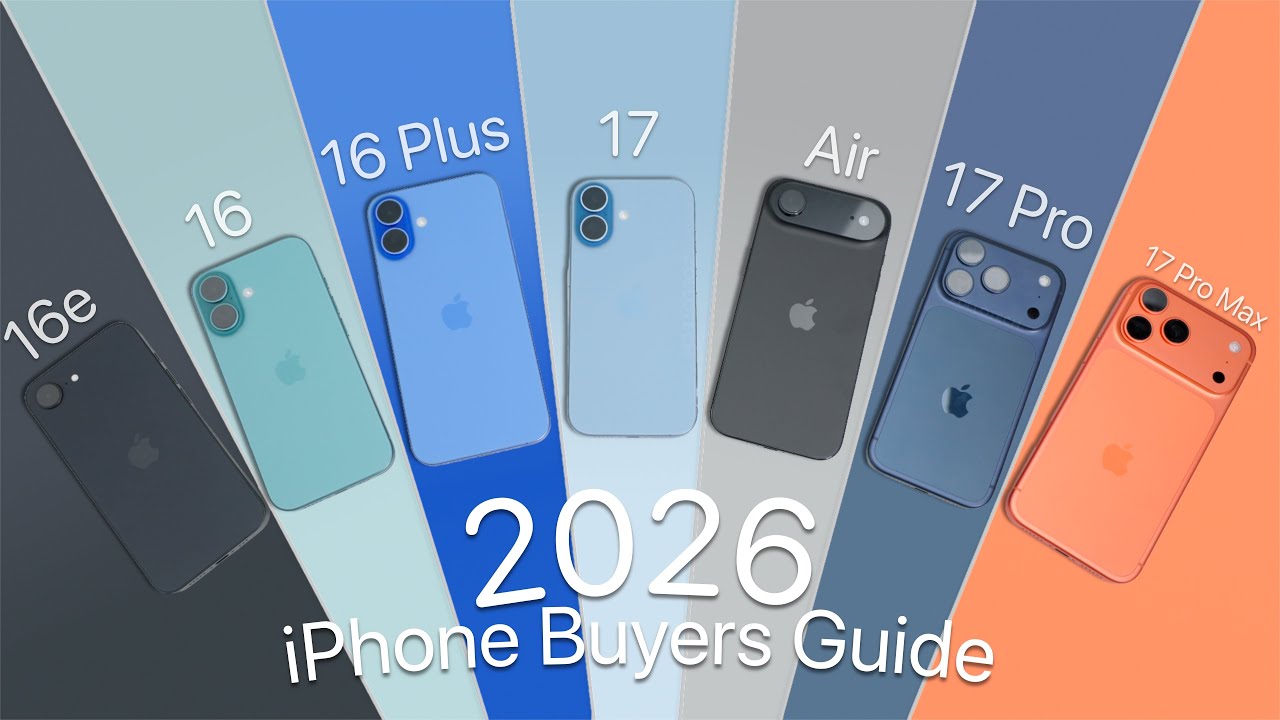
Apple's extensive lineup offers something for everyone, from budget-conscious buyers to premium users seeking cutting-edge technology. Whether you're upgrading from an older model or switching from another brand, understanding the differences between iPhone models helps you make an informed decision. Our comprehensive comparison guide breaks down the latest iPhone 17, iPhone Air, iPhone 17 Pro, and other popular models to help you find the perfect fit.
Latest iPhone Models: What's New in 2026
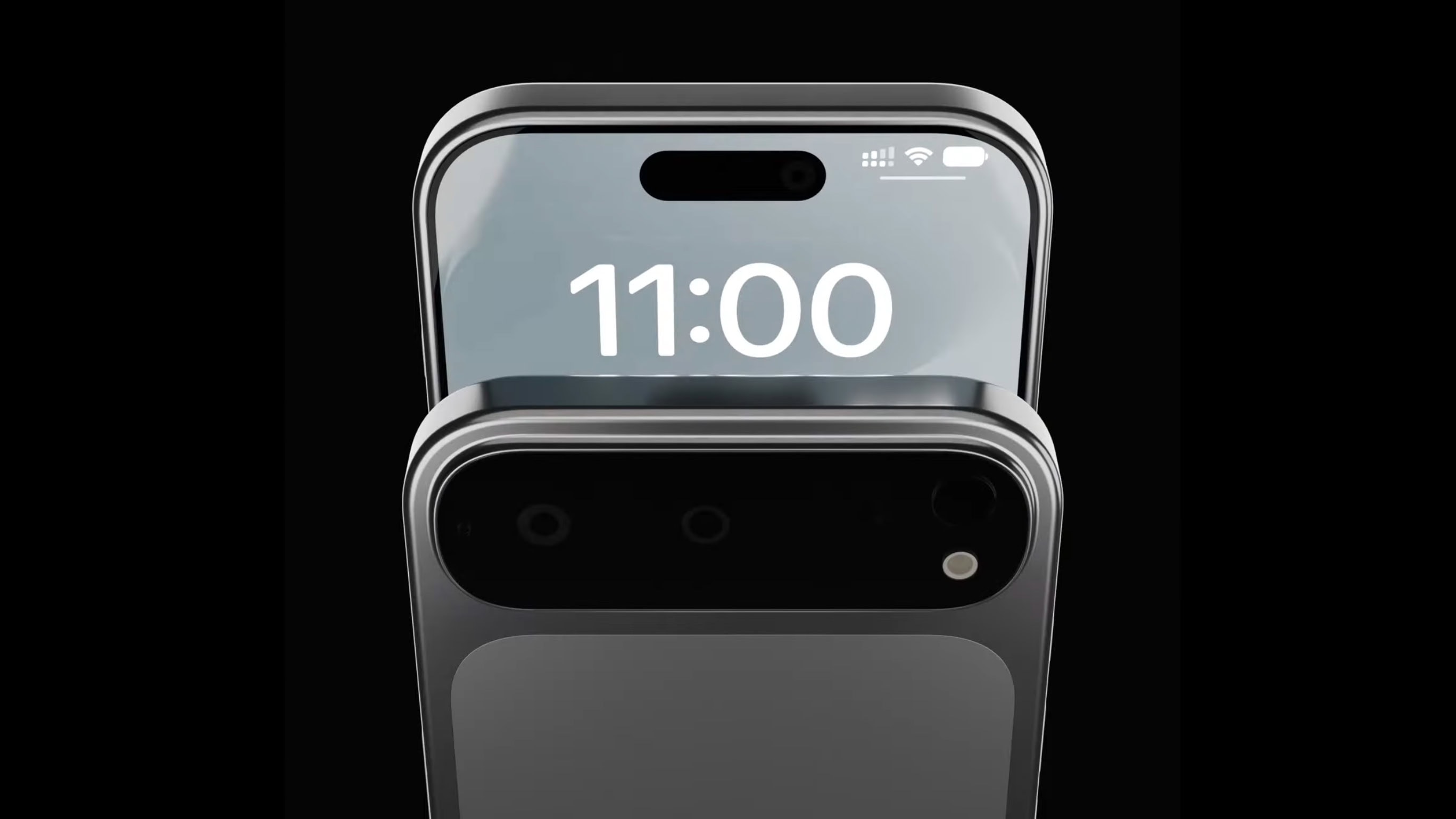
Apple's newest generation brings exciting innovations to the smartphone market. The iPhone 17 Pro and iPhone 17 Pro Max lead the premium segment with advanced features, while the iPhone Air offers a compelling mid-range option. For those seeking value, the iPhone 17 and iPhone 16e deliver solid performance at accessible price points.
Each model features Apple's latest processors, improved camera systems, and enhanced battery efficiency. The display technology across the lineup includes Super Retina XDR screens with ProMotion and Always-On capabilities on Pro models, delivering exceptional visual clarity and responsiveness.
Display Technology Across the Lineup
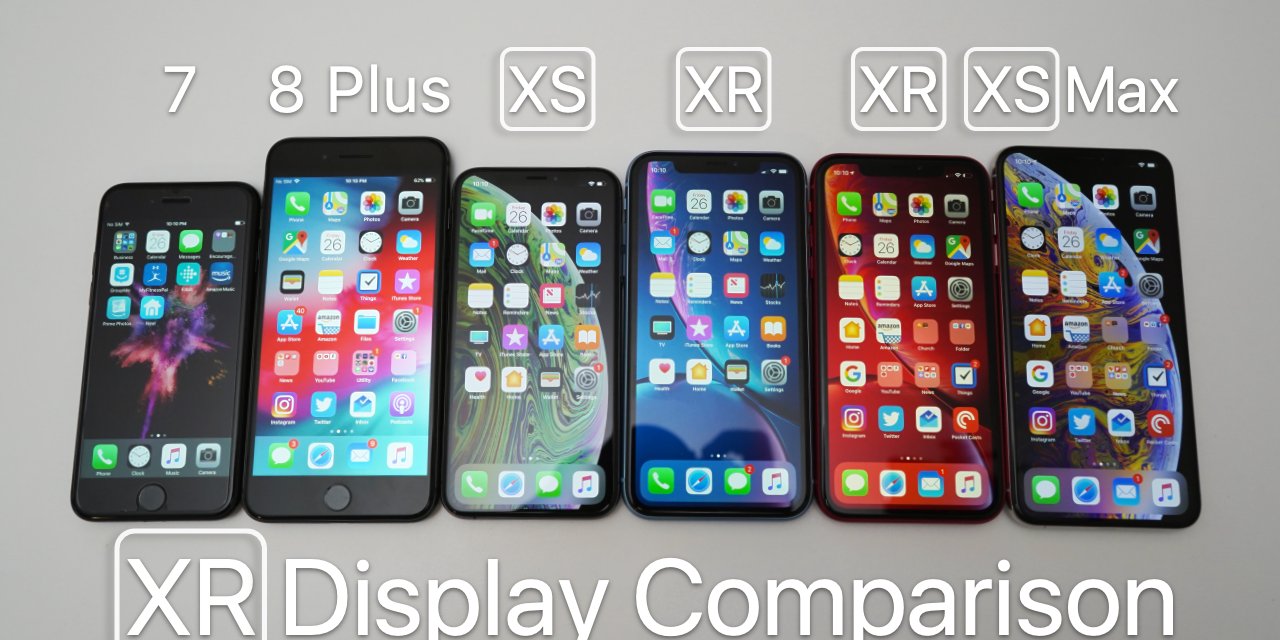
Screen size varies significantly across iPhone models, catering to different preferences:
- Compact options: 4.7" to 5.4" screens for one-handed use
- Standard models: 6.1" displays balancing screen real estate with portability
- Plus variants: 6.7" to 6.9" screens for immersive viewing and content creation
Pro models feature ProMotion technology with 120Hz refresh rates, delivering smoother scrolling and gaming experiences. The Always-On display feature lets you glance at important information without waking your phone, a premium feature found on iPhone 17 Pro, iPhone 17 Pro Max, and iPhone Air models.
Design and Materials: Premium Feel Across Price Points
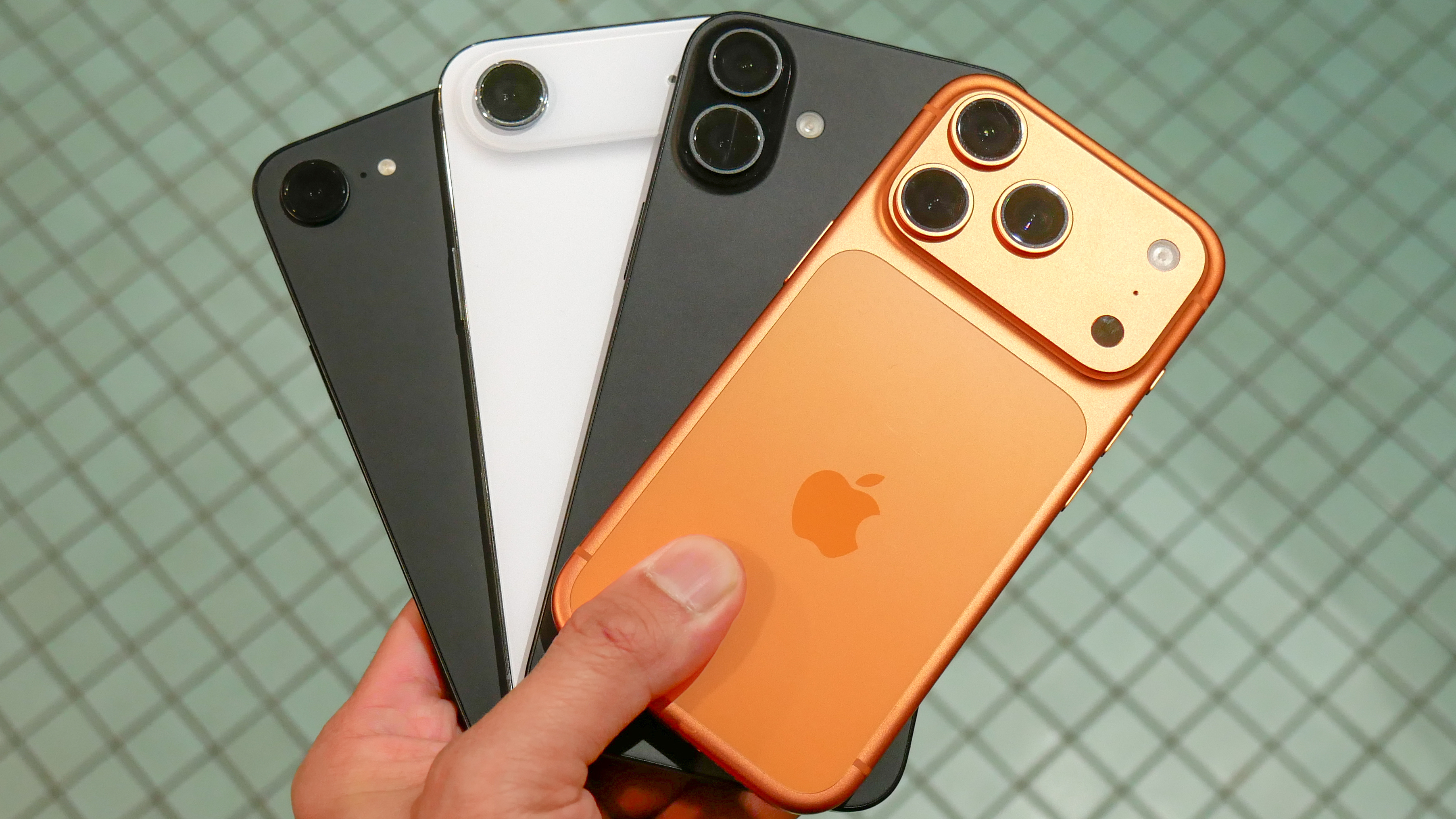
Apple differentiates its iPhone models through design materials and construction:
- Titanium frame: iPhone 17 Pro, iPhone 17 Pro Max, and iPhone Air feature lightweight yet durable titanium construction
- Aluminum frame: Standard iPhone 17 and iPhone 16 models use aluminum for a balance of durability and weight
- Stainless steel: Found on older Pro models, offering premium aesthetics
All modern iPhones include the innovative Camera Control button, providing faster access to photography and video tools. The Dynamic Island feature appears across the entire current lineup, replacing traditional notches with an interactive display element that adapts to show relevant information.
Camera Performance: Capturing Life's Moments
Camera capabilities remain a key differentiator between iPhone models. Pro variants offer advanced computational photography, enhanced zoom capabilities, and professional-grade video recording. Standard models deliver excellent everyday photography with intelligent processing that produces stunning results in various lighting conditions.
The progression from iPhone 16e through iPhone 17 Pro Max shows increasing camera sophistication, including improved low-light performance, better optical zoom, and advanced video stabilization. Whether you're a casual photographer or content creator, Apple's lineup includes options suited to your needs.
Performance and Processing Power
Each iPhone generation introduces faster processors that handle demanding tasks effortlessly. The latest models deliver exceptional performance for gaming, video editing, and professional applications. Processing power scales across the lineup, with Pro models featuring additional cores for specialized tasks.
All current iPhones support advanced features like computational photography, real-time translation, and AI-powered optimization. Battery efficiency has improved significantly, extending daily usage time even with demanding applications.
iPhone Trade-In: Upgrade Affordably
Apple's trade-in program makes upgrading accessible by providing credit toward new purchases[1]. Trade-in values depend on your device's model, storage capacity, and condition:
- iPhone 16 Pro Max: Up to $650 trade-in credit[1]
- iPhone 16 Pro: Up to $530 credit[1]
- iPhone 16 Plus: Up to $440 credit[1]
- iPhone 16: Up to $410 credit[1]
Beyond Apple's official program, third-party buyers and carriers offer competitive trade-in options[3][4]. The average resale value for a used iPhone 16 Plus reaches $459.69, though prices vary based on storage capacity and condition[3]. Newer models depreciate approximately 16.70% in the first year, 22.53% the second year, and 33.63% by the third year[3].
To maximize your trade-in value, ensure your device is in good working condition, disable Find My features, and complete a factory reset before trading in[10].
Comparing Price Points and Value
iPhone pricing reflects the features and capabilities each model offers. The iPhone 17 and iPhone 16e provide excellent value for budget-conscious buyers, while the iPhone Air bridges the gap between standard and Pro models. Premium users seeking maximum features and performance choose iPhone 17 Pro and iPhone 17 Pro Max.
When comparing prices, consider your usage patterns and must-have features. Casual users may find standard models sufficient, while professionals benefit from Pro model capabilities. Storage capacity significantly impacts both pricing and resale value—higher capacity models command premium prices[3][4].
Color Options and Personalization
Apple offers diverse color selections across its iPhone lineup, allowing personal expression:
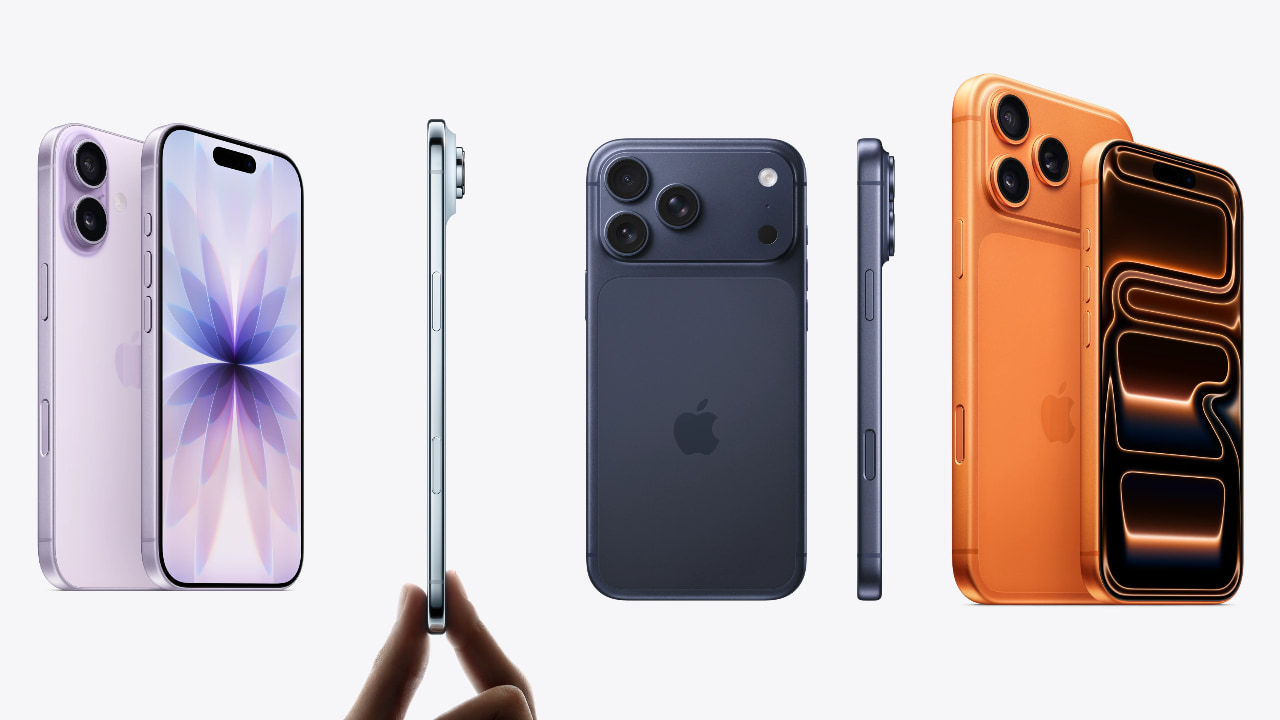
- iPhone 17 Pro: Cosmic Orange, Deep Blue, Silver
- iPhone Air: Sky Blue, Light Gold, Cloud White, Space Black, Lavender, Sage, Mist Blue
- iPhone 17: Ultramarine, Teal, Pink, White, Black
- Standard iPhone 16: Natural Titanium, Blue Titanium, White Titanium, Black Titanium
Color availability varies by model, with Pro variants typically offering more sophisticated palettes while standard models feature vibrant, youthful options.
Making Your iPhone Comparison
To choose the right iPhone, evaluate your priorities: Do you need a large screen or prefer compact size? Is camera quality essential? Do you require advanced features like ProMotion and Always-On display? What's your budget, and how important is trade-in value for future upgrades?
Visit Apple's official store to compare specifications side-by-side, use trade-in calculators to understand upgrade costs, and consider your long-term needs. Whether you select the budget-friendly iPhone 17, the versatile iPhone Air, or the powerful iPhone 17 Pro Max, Apple's diverse lineup ensures you'll find a model matching your requirements and lifestyle.