Fast Charging Is Everywhere Now, But Is it Dangerous?
Fast charging has revolutionized how we power our smartphones, turning hours-long waits into quick 30-minute boosts. With ultra-fast charging speeds hitting 120W on flagship devices, it's tempting to embrace the convenience. But whispers of battery damage, heat buildup, and smartphone risks linger. Does rapid power delivery really lead to battery degradation, power surges, or safety issues? Let's dive into the science, myths, and best practices for charging safety.
How Fast Charging Works Without Harming Your Battery

Modern fast charging uses higher voltage and current to fill lithium-ion batteries quicker, but built-in safeguards prevent harm. Devices feature automatic cut-off at 100%, thermal throttling, and dynamic regulation via standards like USB Power Delivery and Qualcomm Quick Charge. These minimize heat buildup and battery degradation.
Research shows fast charging doesn't inherently damage batteries when paired with compatible chargers. Phone makers design systems to handle it, with no significant capacity loss observed in high-end Androids supporting 25-45W.
Key Features of Safe Fast Charging
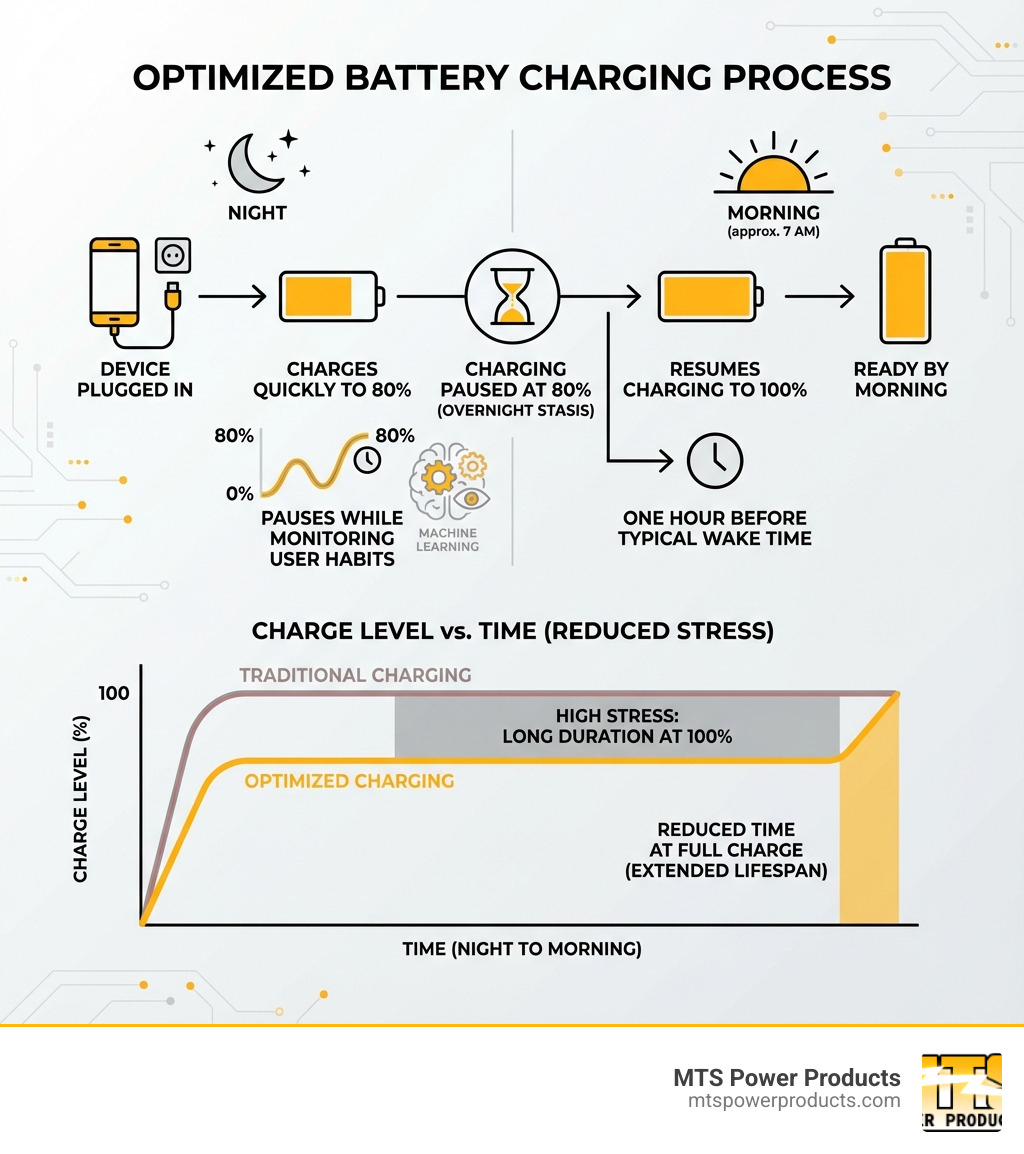
Overcharge Protection: Charging stops at full, power bypasses battery.
Temperature Management: Cooling and throttling prevent overheating.
Adaptive Speeds: Devices control input to avoid power surges.
The Real Risks: Heat Buildup and Battery Degradation
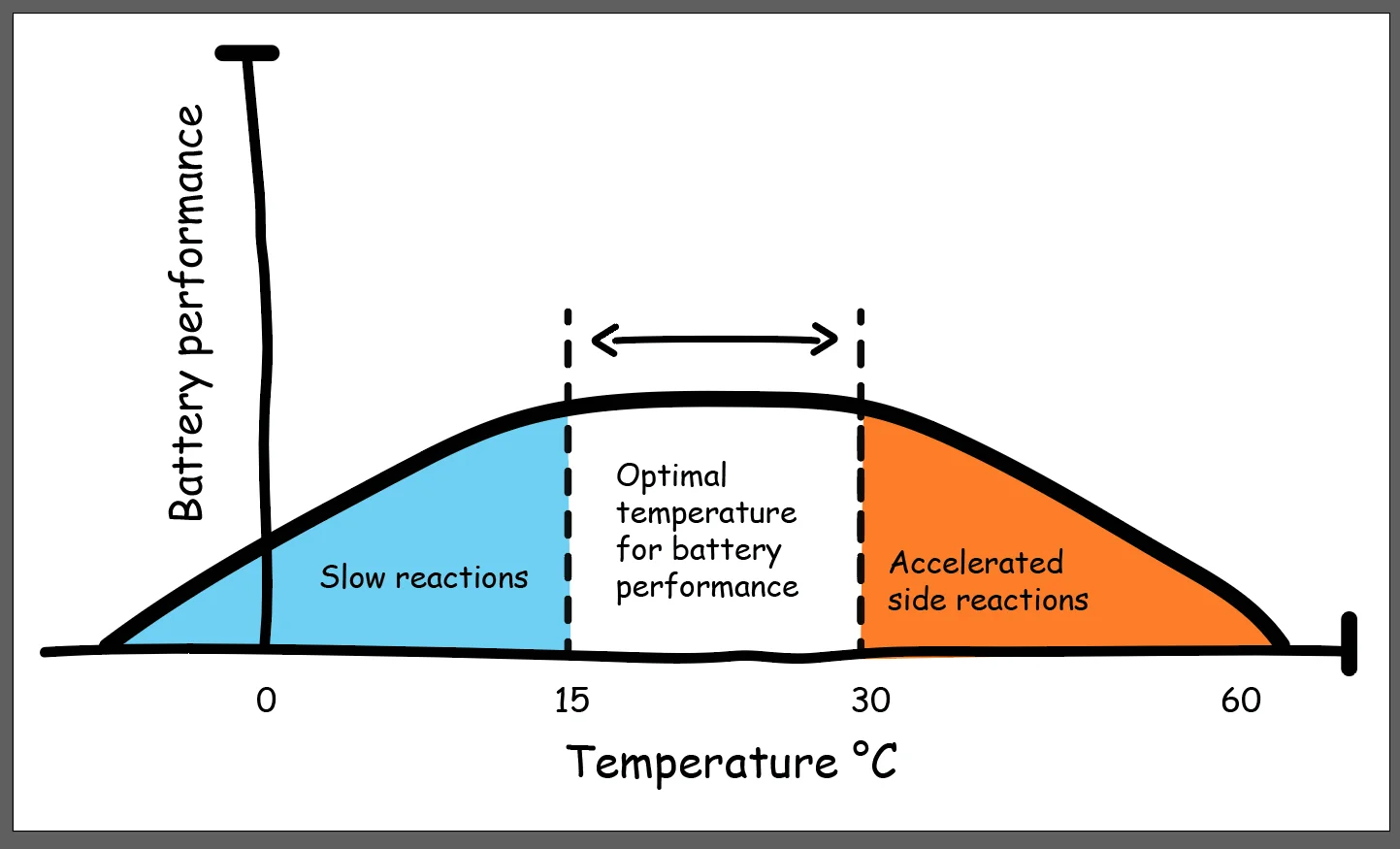
While safe, fast charging generates more heat than standard methods, accelerating battery degradation over time—especially with third-party chargers lacking regulation. Heat buildup from ultra-fast charging can shorten lifespan if unchecked, but certified accessories mitigate this.
Older phones or those over five years are vulnerable due to worn batteries prone to swelling and poor heat tolerance. Samsung's Note 7 recall highlighted rare design flaws, but most issues stem from substandard cables causing power surges and fire risks.
Smartphone Risks Breakdown
RiskCauseSolutionHeat BuildupHigh ambient temps, gaming while chargingUse in 0-30°C, avoid pillowsBattery DegradationOvernight fast charging, cheap chargersUnplug at 100%, official accessoriesPower SurgesIncompatible cablesCertified, device-matched chargers
Using Your Phone While Fast Charging: Safe?
Yes, it's generally safe—manufacturers design for it. High-performance phones and laptops handle gaming or work plugged in. However, intense use plus fast charging boosts internal heat from CPU/GPU, slowing speeds post-80% for safety.
Avoid smartphone risks by not charging in hot cars or under blankets, where trapped heat amplifies battery damage.
Best Practices for Charging Safety and Battery Longevity
To maximize performance, camera quality, and battery life in your smartphone:
Stick to official or certified fast chargers to prevent battery damage.
Recharge at 20-30%, avoid full drains or 100% holds.
Opt for wired over wireless to reduce heat buildup.
Replace swollen batteries at service centers for optimal value.
These habits ensure ultra-fast charging delivers speed without compromising your device's design or long-term performance.
Is 120W Ultra-Fast Charging Worth the Hype?
Even 120W is safe with proper tech, offering full charges in minutes while protecting against power surges. For value-conscious buyers, mid-range phones with 45W provide excellent balance of speed, battery health, and price—ideal for daily use without excessive battery degradation.
In summary, fast charging is safe and ubiquitous, but smart habits ensure it enhances, not harms, your smartphone experience.